
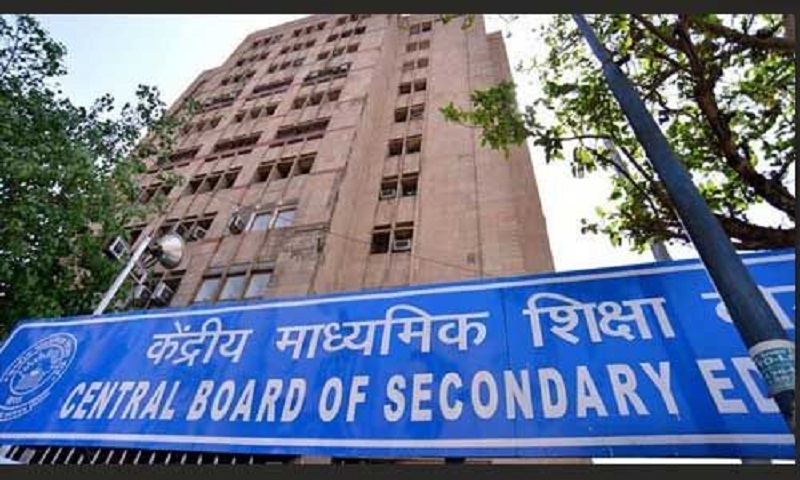
CBSE Makes Counsellors Mandatory in Schools for Students’ Mental Health
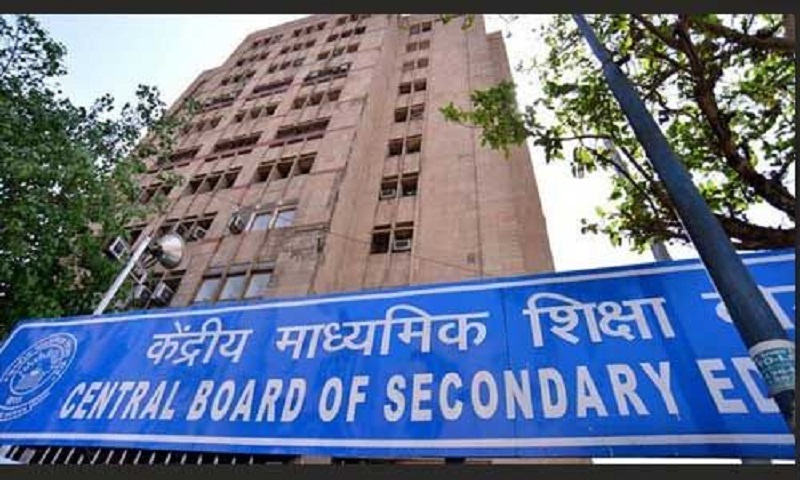
The Central Board of Secondary Education (CBSE) has introduced a crucial policy reform to prioritize students’ mental health and provide them with essential career guidance. This initiative now mandates the appointment of socio-emotional and career counsellors in all affiliated schools.
In response to a Public Interest Litigation (PIL) filed before the Rajasthan High Court in July 2025, the CBSE amended Clause 2.4.12 of the CBSE Affiliation Bye-Laws, 2018. The PIL raised concerns about the increasing mental health challenges faced by students, emphasizing the need for structured career guidance and qualified counsellors in schools.
Following a hearing in September 2025, the CBSE, along with other educational bodies, introduced key amendments through a circular on January 19, 2026. The revised provisions now require every CBSE school to appoint a Counselling and Wellness Teacher and a Career Counsellor, ensuring adequate support for students.
Key Amendments and Provisions
The revised Clause 2.4.12.1 mandates the appointment of a Counselling and Wellness Teacher for every 500 students, focusing on social-emotional counselling. Additionally, Clause 2.4.12.2 makes the appointment of a Career Counsellor compulsory in all schools.
Prior to these amendments, larger schools were required to have a full-time psychological counsellor for students in Classes 9 to 12, while smaller schools could engage part-time counsellors. The new provisions set minimum eligibility criteria for these counsellors.
The Counselling and Wellness Teacher must hold a graduate or postgraduate degree in Psychology or Social Work with a specialization in mental health. They are also required to undergo a 50-hour CBSE-recognized capacity-building program.
Responsibilities of these counsellors include student and parent counselling, crisis intervention, identifying mental health concerns, and maintaining ethical standards.
Flexible Models for Smaller Schools
The CBSE has introduced a Counselling Hub and Spoke School Model to provide support for smaller schools. This model allows “Hub” schools to mentor nearby “Spoke” schools, ensuring access to counselling services.
For career guidance, a student-to-counsellor ratio of 1:500 has been set for students in Classes 9 to 12. Career Counsellors are required to have a degree in disciplines such as Humanities, Science, Social Sciences, Management, or Education.
Advocate’s Perspective
Advocate Sujeet Swami, who initiated the PIL, emphasized the importance of addressing mental health needs from primary to senior secondary levels. He welcomed the CBSE’s implementation of these changes and called for similar reforms in RBSE-affiliated schools.
Advocate Amit Dadhich of the Rajasthan High Court praised the decision and highlighted ongoing efforts to establish a structured mental health support system for college and university students in Rajasthan.
