
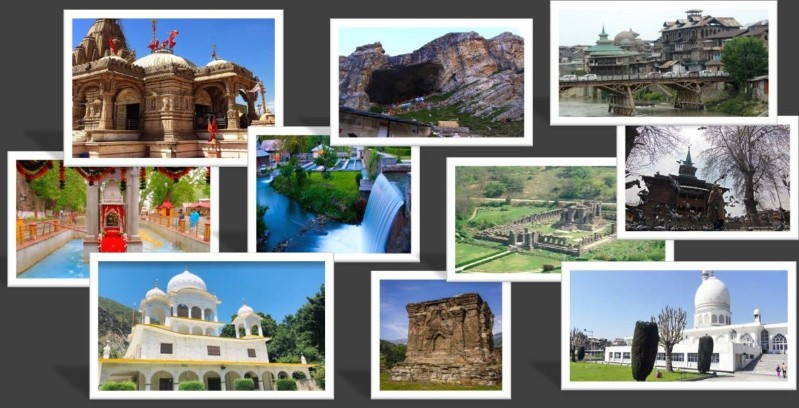
Spiritual Tourism in Jammu and Kashmir: A Significant Revenue Source
Spiritual tourism in Jammu and Kashmir (J&K) has become a major revenue-generating activity in an area where industrial growth is limited due to geographical and environmental factors. The region’s rich spiritual heritage attracts millions of pilgrims annually, contributing to employment generation, income creation, and overall development of local communities.
The Essence of Spiritual Tourism
Spiritual tourism, driven by faith, devotion, inner peace, and cultural affiliation, involves traveling to religious destinations to connect with history, traditions, and spiritual solace. Unlike seasonal leisure tourism, spiritual tourism remains active throughout the year, providing a stable source of income. The religious diversity of Jammu & Kashmir attracts pilgrims from various faiths and regions.
Pilgrimage Sites in J&K
Mata Vaishno Devi Shrine and Shri Amarnath Cave Shrine are prominent pilgrimage locations in J&K, attracting devotees and generating revenue for local infrastructure and employment. The constant influx of pilgrims has led to the development of hotels, transport services, shops, and businesses in the surrounding areas.
Diverse Spiritual Experiences
Jammu and Kashmir offer a variety of spiritual sites, including temples, mosques, Sufi shrines, and Buddhist monasteries. This diversity distributes tourism benefits across multiple locations, reducing dependency on specific sites.
Economic Impact of Spiritual Tourism
Spiritual tourism creates jobs in various sectors, such as guiding, hospitality, transportation, and local businesses. It improves household income, purchasing power, and standard of living, benefiting the local economy and communities.
Infrastructure Development and Investment
Spiritual tourism stimulates infrastructure development, investment, and balanced growth, reducing regional inequalities and enhancing economic opportunities. It also leads to the creation of growth centers along pilgrimage routes.
Security and Environmental Sustainability
Ensuring safety and environmental sustainability is crucial for the success of spiritual tourism. Comprehensive security measures and eco-friendly practices help maintain the sanctity of pilgrimage sites and protect the surrounding ecosystems.
Conclusion
Spiritual tourism in Jammu and Kashmir is a vital economic pillar, supporting employment, income growth, allied industries, and investment. By addressing security risks and environmental concerns, and promoting sustainable practices, the region can sustain its economic well-being and cultural integrity.
