
The Transformative Power of Tourism in Jammu and Kashmir
Social media has played a significant role in amplifying the transformation that tourism has brought to Jammu and Kashmir. Travelers sharing real-time experiences, from snowfall to café culture, have reached a wide audience, reshaping perceptions of the region.
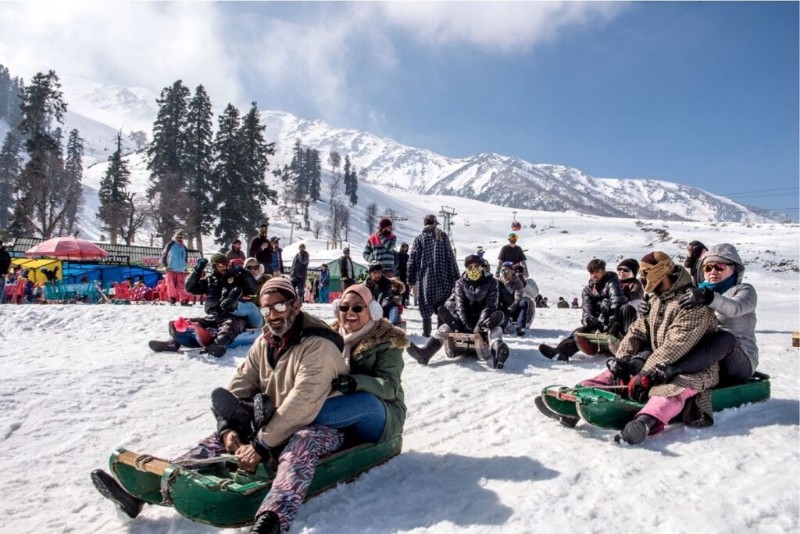
For years, Jammu and Kashmir has been overshadowed by conflict-driven narratives in the media, neglecting the everyday realities, resilience, and warmth of its people. However, tourism has emerged as a powerful force in changing how the rest of the nation sees J&K. It is not just about scenic beauty but also about confidence returning to public spaces, roads bustling with families and students, and conversations replacing assumptions.
Tourism in J&K goes beyond traditional campaigns, as travelers share their personal narratives of exploring the region. This has led to a shift in the image of the state, challenging old perceptions and showcasing the human element of the region.
One of the key aspects of tourism is its authenticity, as visitors rely on their own experiences rather than second-hand opinions. Encounters with locals, functional infrastructure, and a sense of normalcy have helped change the understanding of J&K from fear to familiarity.
Border tourism has played a unique role in reshaping perceptions, offering travelers a deeper understanding of life in high-altitude regions and highlighting the coexistence of development, security, and community life.
The involvement of youth in the tourism industry has brought energy and optimism to the region, presenting J&K through a creative and forward-looking lens. Their engagement with tourists has made visitors feel like guests rather than outsiders.
Tourism has also contributed to the narrative of peace in a practical way, showcasing movement, livelihoods, and normal social interactions. This visible peace has influenced national conversations and public opinion.
The economic impact of tourism has further reinforced a positive image of J&K, generating employment, supporting local artisans, and reviving traditional crafts. This cycle of stability has made communities partners in maintaining harmony.
Cultural pride has been encouraged through tourism, with Kashmiri art, cuisine, music, and traditions being shared proudly with visitors. This cultural exchange has built mutual respect and understanding, strengthening national unity at a grassroots level.
Social media continues to play a crucial role in amplifying the positive transformation brought about by tourism in J&K. Travelers sharing their experiences and videos reach a wide audience, challenging outdated narratives and building credibility.
However, responsible tourism practices are essential to sustain this positive image, ensuring a balanced and sensitive approach to growth. Sustainable practices, community involvement, and respect for local culture are crucial to maintain tourism as a bridge rather than a burden.
In conclusion, tourism has been a powerful tool in changing perceptions of Jammu and Kashmir, restoring trust between regions, people, and perceptions. It has showcased the region as a vibrant destination filled with warmth, safety, and connection, inviting visitors to experience the true essence of J&K.
Email: syedjahanzeeb2@gmail.com
