
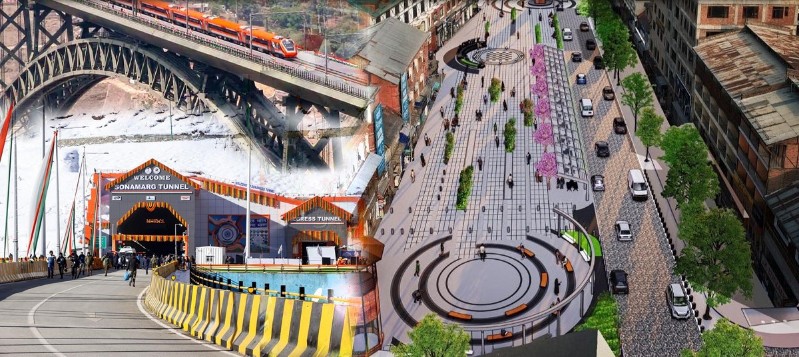
The Transformation of Jammu and Kashmir: From Conflict to Development
The serene Dal Lake in Srinagar, once a reflection of the region’s anxieties, now mirrors a different narrative. Tourists marvel at snowcapped peaks, investors seek hydropower opportunities, and artisans weave pashmina shawls in anticipation of expanding markets. Six years post the constitutional upheaval of August 2019, Jammu and Kashmir stands at a critical juncture, where the language of development is beginning to drown out the echoes of violence, albeit with recent incidents serving as stark reminders of the fragile journey from conflict to sustainable peace.
A Shift in Dynamics
Terror incidents have notably decreased, especially post-2020, leading to a significant drop in civilian casualties across key districts. The decline in terrorist activities, with active local terrorists now in single digits, signifies a monumental shift. The youth of Kashmir are turning away from militancy, embracing education and entrepreneurship. While security measures have been effective, the evolving nature of militancy poses new challenges, as evidenced by the 2025 Pahalgam massacre.
Economic Rejuvenation
The Government of India’s substantial investment in the region signals a transformation from a conflict zone to an investment hub. Sectors like tourism, hydropower, and handicrafts are driving this economic revival. The tourism sector, in particular, has witnessed a remarkable resurgence, with a surge in tourist arrivals and a focus on diversifying tourism beyond traditional circuits.
Hydropower Potential
Kashmir’s untapped hydropower potential presents a significant opportunity for energy generation and economic growth. With plans to harness this potential through new policies and projects, the region aims to transition from a power-deficient area to a potential energy exporter.
Revitalizing Handicrafts
The handicraft sector, deeply rooted in Kashmir’s heritage, is experiencing a revival through increased exports and market access. The sector, supporting a large number of artisans, is undergoing modernization while preserving traditional craftsmanship.
Challenges and Opportunities
While progress has been made, challenges persist in translating commitments into tangible outcomes. Bureaucratic hurdles, security concerns, and fiscal constraints hinder full-scale development. The region’s social and political landscape is evolving, with debates on statehood restoration shaping public discourse.
A Promising Future
Despite setbacks, Jammu and Kashmir’s journey from conflict to development offers hope and potential. The region’s resilience is evident in its embrace of winter tourism, border areas, and economic diversification. The path ahead requires sustained efforts towards inclusive growth and peacebuilding, with all stakeholders playing a crucial role in shaping a brighter future for Kashmir.
Contact: umarnazir2980@gmail.com
