
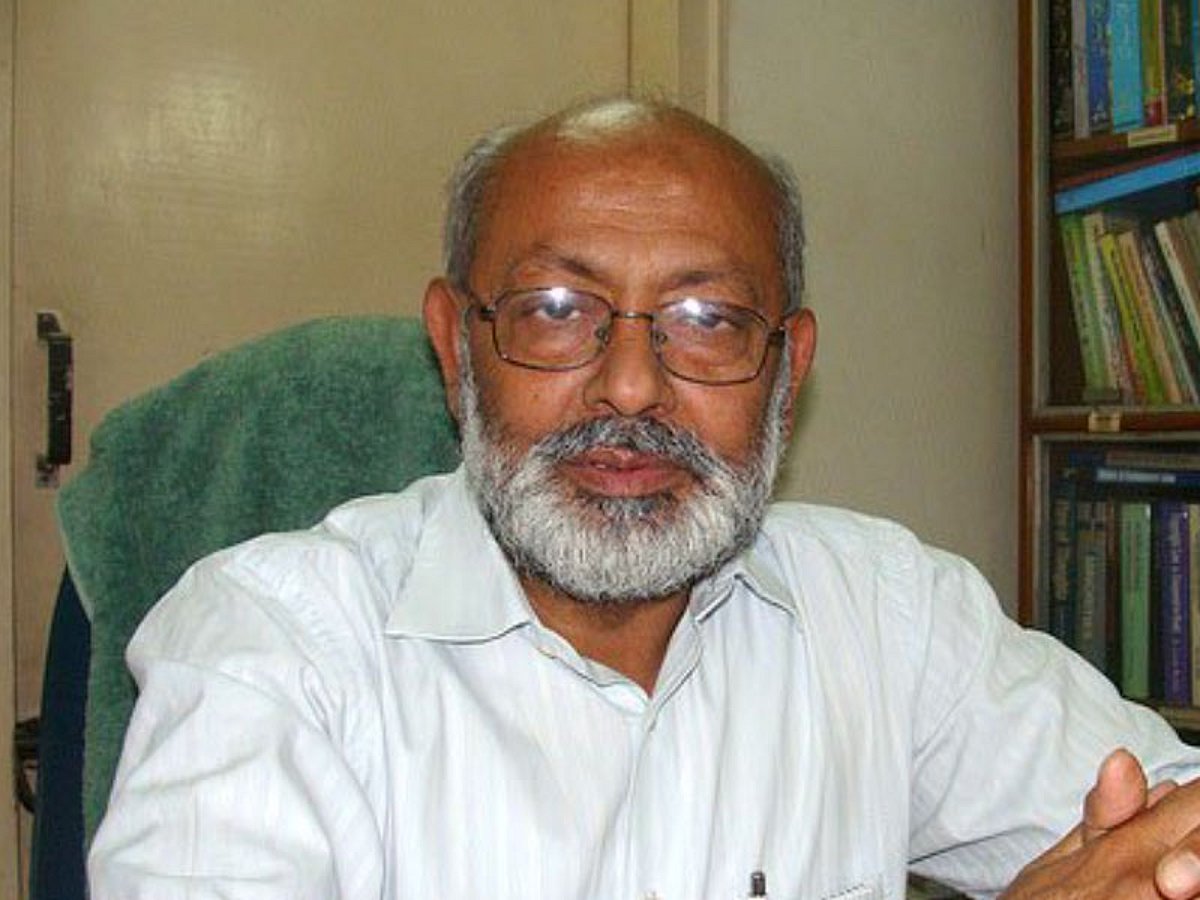
Remembering Dr. Muhammad Manzoor Alam: A Pioneer in Islamic Social Sciences
Dr. Muhammad Manzoor Alam, a renowned Muslim scholar, economist, and advocate for education and social justice, sadly passed away in Delhi at the age of 80. His contributions to academia, social welfare, and minority-focused research have left a lasting impact on India and beyond.
Born on October 9, 1945, in Bihar, Dr. Alam’s academic journey began at Aligarh Muslim University, where he pursued a doctorate in economics. His passion for Islamic economics and social reform propelled him to become a leading figure in the field, emphasizing the importance of using rigorous research to address societal inequalities.
Throughout his career, Dr. Alam held various roles in different countries, including serving as an economic adviser in Saudi Arabia, teaching Islamic economics in Riyadh, and contributing to Qur’an translation work in Madinah. He also represented India at the International Islamic University Malaysia and played a key role in the Islamic Development Bank’s initiatives.
In India, Dr. Alam’s legacy shines through his founding of the Institute of Objective Studies in 1986. This research-focused institution aimed to empower Indian Muslims and marginalized communities through intellectual capacity building. Under his guidance, the institute conducted numerous research projects, published books, and organized academic conferences.
Dr. Alam’s influence extended to his involvement in the Sachar Committee report, which highlighted the social and economic status of Muslims in India. His contributions to the committee’s work were instrumental in shaping policies concerning minority communities.
Apart from his academic pursuits, Dr. Alam held leadership positions in various organizations and wrote extensively on Islamic economics, minority rights, and interfaith dialogue. His impact as a mentor and intellectual figure was recognized by political leaders, journalists, and former students.
Dr. Alam’s legacy lives on through the institutions he established, the research he conducted, and the scholars he inspired. His work solidifies his position as one of India’s most influential Muslim intellectuals.
Dr. Alam is survived by his wife, five sons, and two daughters, leaving behind a profound impact on the academic and social landscape of India.
