
The Impact of Industrial Chemical Operations on Kashmir’s Agricultural Landscape
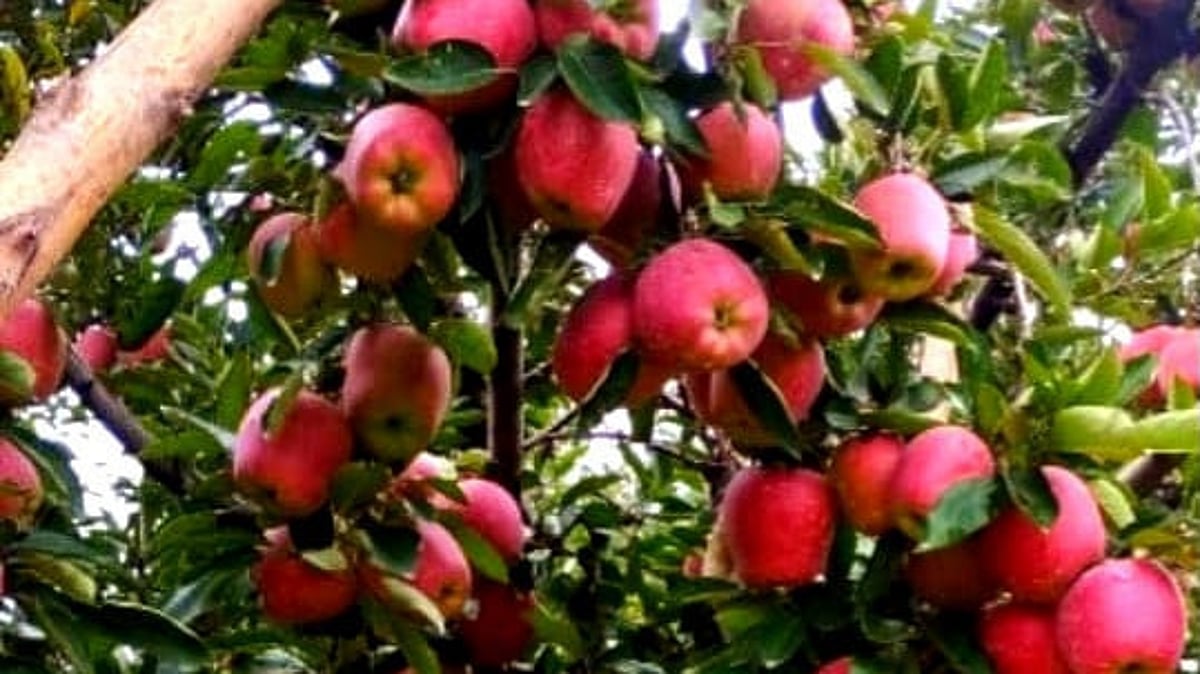
Kashmir’s agricultural sector, particularly small-scale farming, is facing a concerning reality – it has transformed into an industrial chemical operation. The vast orchards spanning nearly 200,000 hectares are being treated with massive quantities of chemicals every season, raising significant environmental and health concerns.
Official reports reveal staggering figures, with over 7,500 metric tons of fungicides and 3,100 metric tons of insecticides being utilized annually. However, these numbers are likely underestimated due to the prevalence of unlicensed and counterfeit products in circulation.
Farmers, driven by the fear of crop loss and influenced by aggressive marketing tactics, are advised to spray their crops up to 10 times per season. In reality, many farmers exceed this recommendation, often spraying their orchards 20 times or more.
The Chemical Cocktail: Health Hazards in Kashmir’s Agricultural Practices
The chemicals employed in Kashmir’s farming practices pose serious health risks to both farmers and consumers. Among them are:
- Chlorpyrifos: An organophosphate insecticide known to disrupt brain development in children even at sub-poisoning levels. Notably, the European Union banned its usage in 2020.
- Mancozeb & Captan: Widely used fungicides classified as suspected carcinogens. Mancozeb’s breakdown product, ethylene thiourea (ETU), has been definitively linked to cancer and thyroid disruption in animal studies.
- Paraquat: A herbicide utilized in paddy fields, with a single sip proving fatal and lacking an antidote. This chemical is banned in over 50 countries, including the EU and UK, and chronic exposure is associated with lung damage, Parkinson’s disease, and suspected cancer risks.
Exposure to these chemicals occurs through various pathways. During spraying, farmers work in dense chemical clouds without adequate protective gear, leading to skin contact, inhalation, and ingestion. Additionally, chemical residue settles on surfaces, contaminating homes, and seeping into water sources.
The Silent Threat: Environmental and Health Impacts
A 2010 study highlighted the alarming consequences of chemical exposure, with 31 pediatric brain tumor cases linked to living in orchard-rich areas, including heartbreaking clusters within families. The insidious nature of exposure begins in the womb and continues through contaminated water, dust, and possibly breast milk.
Furthermore, the contamination extends to water bodies, turning wells, streams, and rivers into toxic reservoirs. The runoff of chemicals like Paraquat during the paddy season poses a significant threat to communal water supplies, perpetuating the cycle of environmental degradation and health risks.
It is imperative to address the hazardous impact of industrial chemical operations on Kashmir’s agricultural landscape to safeguard both the environment and public health.
(To be Concluded)
