
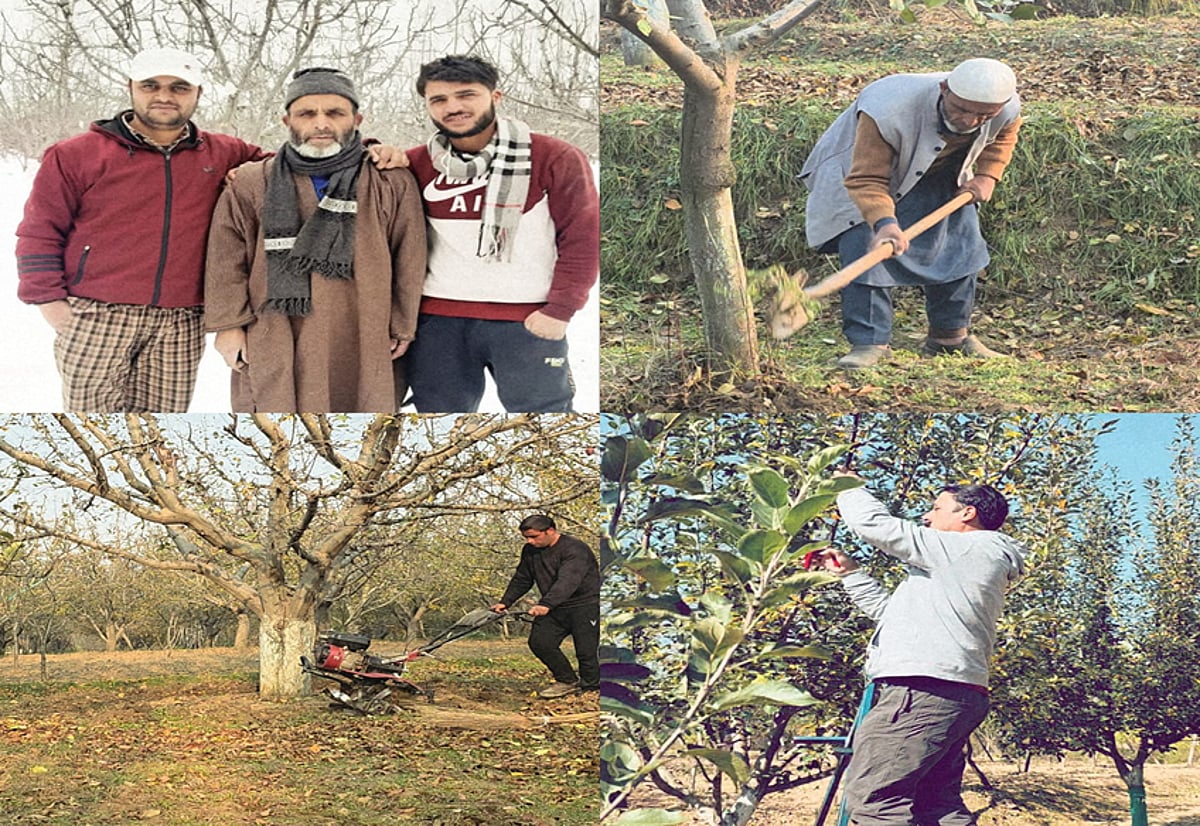
The Challenges and Opportunities in Kashmiri Agriculture
Despite the support and incentives provided, Kashmiri agriculture continues to face persistent challenges. Issues such as administrative delays, low awareness, poor insurance implementation, inadequate cold storage facilities, and high initial investments in modern farming are hindering the sector’s growth. Additionally, climate risks, volatile markets, and weak value addition infrastructure further exacerbate the pressure on farmers.
While modern farming methods are crucial for progress, it is equally important to value ancient organic practices that have sustained farming in Kashmir for centuries. Traditional techniques such as using natural manures, crop rotation, mixed cropping, and following seasonal cycles have preserved soil fertility and biodiversity. These cost-effective and environmentally friendly practices align with Kashmir’s cultural heritage.
In the face of soil degradation, chemical residues, and climate change, a blend of traditional knowledge and modern technology can lead to more resilient and sustainable farming practices. Reviving organic methods, particularly in horticulture, can enhance soil health, improve crop quality, and create opportunities for premium markets for residue-free Kashmiri products.
Charting the Path Forward
The future of Kashmiri agriculture hinges not only on sound policies but also on fair, timely, and accessible implementation. Farmers require support in areas such as storage, processing, insurance, digital literacy, and market access to transition from struggling to sustainable agriculture.
As Kisan Diwas is celebrated across India, including in Jammu and Kashmir, it is essential to recognize the dedication and sacrifices of farmers. Each apple from Shopian, every strand of saffron from Pampore, every walnut, and every grain of rice embodies the patience and perseverance of those who cultivate the land.
To address the challenges faced by farmers, overdue reforms are necessary to ensure their future is secure and dignified. This includes prompt payment for climate-related damages, high-quality cold storage and processing facilities in every district, international export opportunities for Kashmiri products, easy access to modern machinery through farmer-friendly rental centers, specialized medical care and insurance for farming families, improved housing for orchard farmers, and training programs to empower farmers as agri-entrepreneurs.
Implementing modern irrigation systems, organic agriculture practices, mechanization, and environmentally friendly techniques while preserving traditional knowledge passed down through generations can pave the way for sustainable farming in Kashmir. By combining tradition and modernity, the region can ensure food security and preserve its fragile ecosystem.
By introducing culturally sensitive solutions, Kashmiri agriculture has the potential to become a global model for sustainability. In the horticulture sector, addressing issues such as excess stock, poor storage, and market challenges can be mitigated through warehouse receipt financing and better infrastructure to stabilize incomes and prevent price crashes.
For crafts, innovative financing models like inventory-based lending and revenue-based approaches can help convert unsold stock into working capital while upholding artisanal values. Reforms in technology-driven, sector-specific financing can unlock capital, boost growth, enhance resilience, and better connect Kashmir’s traditional economy to national and global markets.
Let us commemorate Kisan Diwas as more than just a ritual, but as a tribute to the hard work and dedication of Kashmiri farmers who tirelessly contribute to the nation’s agricultural prosperity.
