
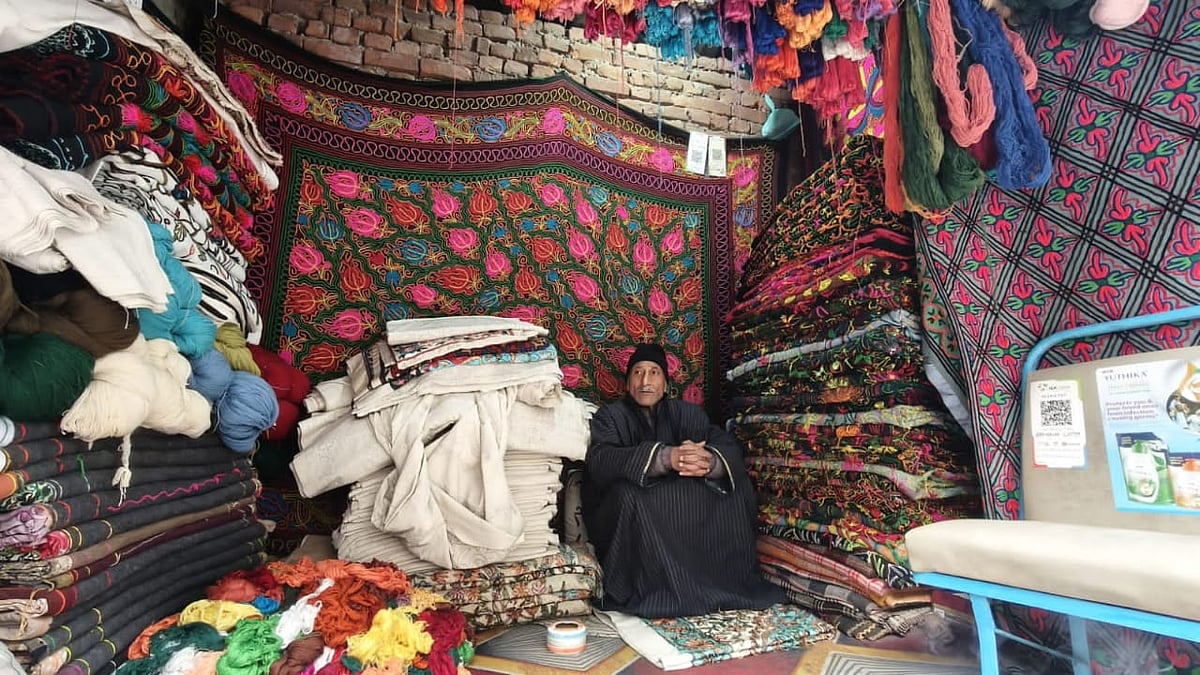
Glimmers of Hope in a Dark Valley
In the midst of challenges, there are signs of hope emerging. A small but determined group of artisans, designers, and activists are working tirelessly to shape a brighter future. Their approach is pragmatic, yet their optimism is cautious.
At the heart of the transformation lies the need to revitalize Gabba, preserving its essence while allowing for innovation. Collaborations with institutions like the School of Design in Srinagar are introducing artisans to contemporary design concepts, paving the way for Gabba to find relevance in modern settings. From wall hangings to tablet sleeves, the craft is evolving, blending traditional techniques with a more minimalist, contemporary aesthetic.
Gulzar Ahmad, a young designer from Anantnag, emphasizes the importance of showcasing Gabba in a way that appeals to a global audience. It’s about translating the craft, not watering it down, to attract interest beyond traditional markets.
Furthermore, the concept of experiential tourism presents a unique opportunity to engage travelers in the craft-making process. By offering immersive workshops and storytelling sessions, artisans can connect with visitors on a deeper level, turning a purchase into a memorable experience.
The sustainability of Gabba is a compelling narrative in itself. Rooted in centuries of eco-friendly practices, the craft embodies the essence of upcycling and cultural resilience. This story needs to be amplified through various channels, including social media and collaborations with ethical brands.
However, the true measure of success lies in supporting the artisans themselves. Establishing social security measures, providing education opportunities for their children, and recognizing their contributions are essential steps towards ensuring their livelihoods.
Empowering Artisan Communities
Government initiatives and local master plans play a crucial role in promoting Gabba as a cultural and economic asset. Training centers, exhibition opportunities, and strategic development corridors can elevate Gabba-making villages and empower female artisans, driving sustainable growth and preserving ancestral knowledge.
By integrating Gabba into the fabric of developmental projects, Jammu and Kashmir can unlock the craft’s potential as a catalyst for cultural revival and economic prosperity. Artisan corridors offer a pathway towards celebrating traditions, fostering local economies, and nurturing a resilient ecosystem.
Moreover, cultural initiatives can serve as bridges across divides, transcending political boundaries. Virtual museums showcasing Gabba art from both sides of the LoC can highlight shared heritage, reminding us of the unifying power of culture.
