
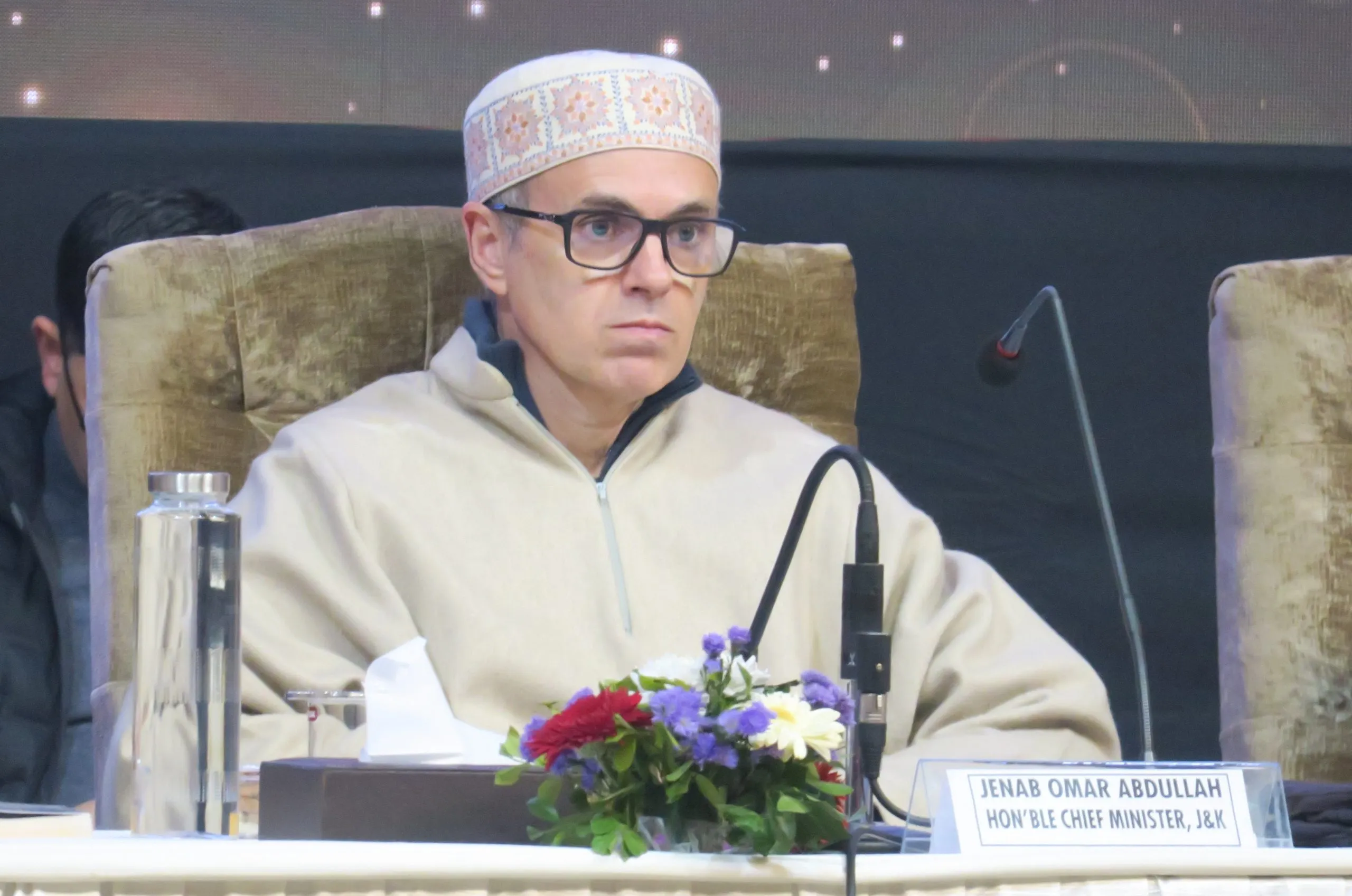
Jammu and Kashmir Chief Minister Welcomes the Suspension of the Indus Water Treaty
The suspension of the Indus Water Treaty (IWT) has been welcomed by Jammu and Kashmir Chief Minister Omar Abdullah, who believes that the agreement has caused long-term harm to the region by limiting its rightful use of water resources. According to Abdullah, the IWT has greatly harmed the region, and he has been opposed to it from the very beginning. He sees the suspension of the treaty as a positive step towards allowing Jammu and Kashmir to utilize its water resources more effectively.
Prime Minister Narendra Modi’s government suspended the Indus Water Treaty with Pakistan in April 2025 following the Pahalgam terror attack, which resulted in the death of 26 people, mostly tourists. Abdullah believes that this suspension provides an opportunity for the region to propose and implement projects that will enhance the utilization of river waters.
One of the proposed projects is the Tulbul Navigation Barrage, also known as the Jhelum Navigation Barrage, which aims to increase the water level in Wular Lake and improve water flow in the Jhelum. This project is expected to enhance electricity generation and make the river navigable. Additionally, utilizing Chenab river water for Jammu is seen as a solution to end water scarcity in the region for the next 30 years.
Abdullah highlights the impact of the Indus Water Treaty on Jammu and Kashmir, noting that the region has paid a heavy price while Punjab has received rights over rivers flowing through its territory. Despite the challenges faced under the treaty, Abdullah emphasizes the importance of maintaining cordial relations with Punjab.
Political Changes and Challenges in Jammu and Kashmir
Abdullah also reflects on the political changes in Jammu and Kashmir following the abrogation of Article 370. While some changes have taken place, he believes that the promises made regarding the end of terrorism, unemployment, and violence have not been fulfilled. Abdullah points to security concerns, such as the Pahalgam tourist attack and blasts in Delhi, as indicators of ongoing challenges in the region.
Efforts to revive tourism in Jammu and Kashmir have been made following the Pahalgam attack, with recent snowfall improving tourist footfall. Abdullah emphasizes the importance of not measuring the tragedy in financial terms, as precious human lives were lost.
Abdullah criticizes the Centre for renaming the Mahatma Gandhi National Rural Employment Guarantee Act (MGNREGA) and shifting the financial burden of the scheme onto states. He also addresses the Chattisinghpora killings of Sikhs, noting ongoing efforts to bring the perpetrators to justice.
Concerns and Future Prospects for Jammu and Kashmir
Addressing speculations about granting separate statehood to Jammu, Abdullah expresses concerns about repeating the experiment that led to Ladakh becoming a Union Territory. He warns against the potential negative consequences of such a decision and questions the government’s approach towards Jammu’s development.
Abdullah acknowledges the drug problem in Jammu and Kashmir and emphasizes the government’s efforts to combat drug abuse in the region. He also highlights the importance of protecting minorities, both domestically and internationally, and calls for implementing principles of minority protection effectively.
Overall, Chief Minister Omar Abdullah’s perspectives on the Indus Water Treaty, political changes, and challenges in Jammu and Kashmir provide insights into the region’s current situation and future prospects.
