
Jammu & Kashmir Rural Livelihood Mission: Empowering Women-Led Development
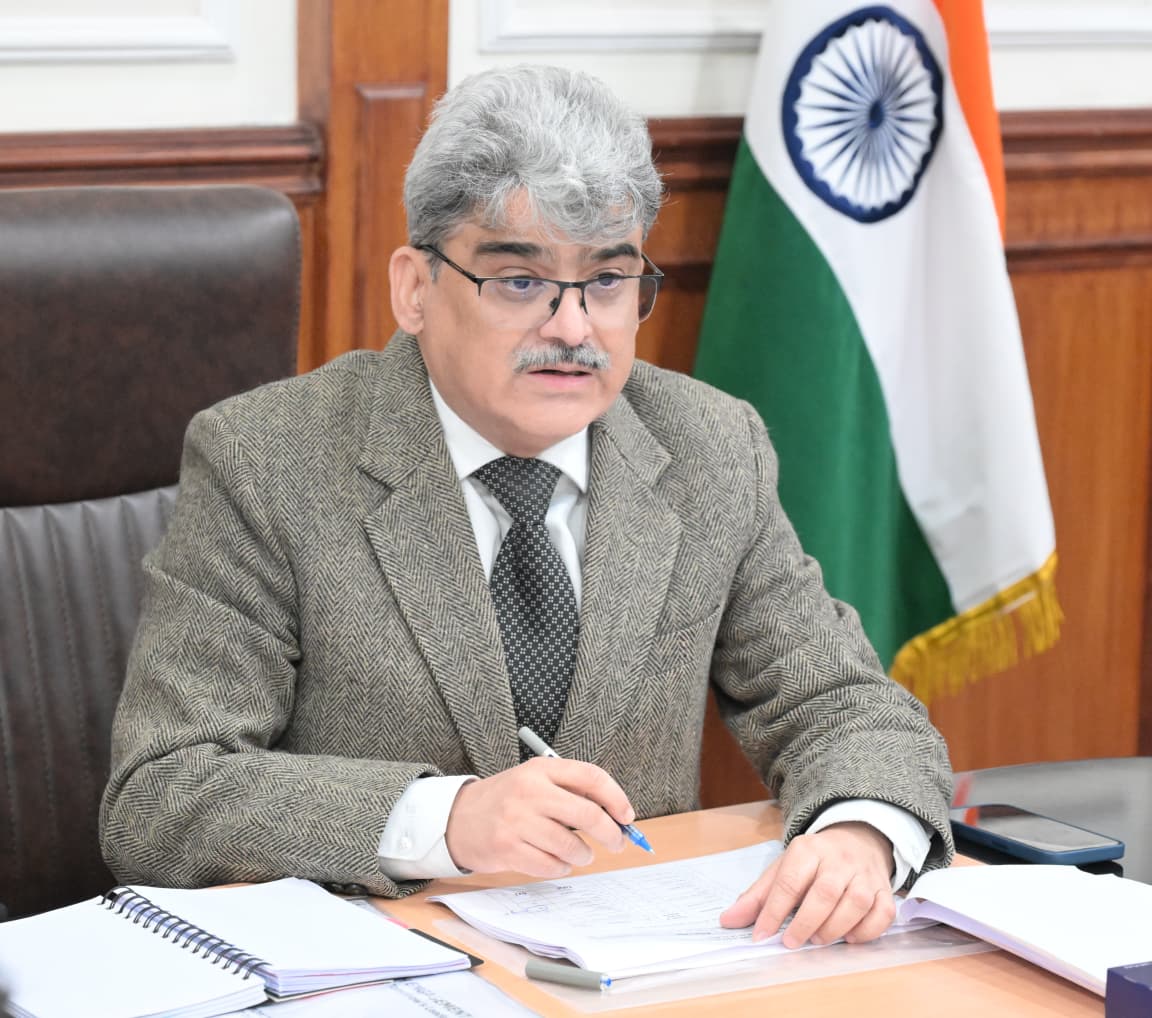
The 9th Executive Council Meeting of the Jammu & Kashmir Rural Livelihood Mission (JKRLM) was recently chaired by Chief Secretary Atal Dulloo. The meeting aimed to review the performance of the mission under the UMEED framework and strategize for the enhancement of rural livelihoods and women-led development across the UT.
Key Attendees
- Secretary, Rural Development Department (RDD)
- Managing Director, JKRLM
- Director General (Resources)
- Director General (Budget)
- Chief Operating Officer, HIMAYAT
- Convenor, UTLBC
During the meeting, Chief Secretary Dulloo emphasized the importance of strengthening credit linkages and enhancing the capacity of Self Help Groups (SHGs) to evolve into sustainable rural enterprises. The focus remained on enterprise development as the core objective behind the formation of SHGs.
To ensure the functionality of Community Managed Training Centres (CMTCs) in every district, high-quality training for SHG members is essential. The Chief Secretary directed the provision of training through resource persons from OMPLIS to make these centres vibrant learning spaces for women.
Financial Inclusion and Support
Chief Secretary Dulloo highlighted the need to increase the income of Banking Correspondents (BCs) significantly and onboard Common Service Centres (CSCs) and J&K Bank to boost transaction volumes. This approach aims to enhance the sustainability and earnings of BCs at the grassroots level.
The Lal Ded Stree Shakti Scheme and Mission YUVA were emphasized for empowering women entrepreneurs beyond the ‘Lakhpati’ benchmark. A target was set to double the number of ‘Millionaire Didis’ from 50 to 100 within the next six months.
Implementation and Achievements
Secretary RDD, Aijaz Asad, provided insights into the wide implementation of the UMEED program across 285 blocks in all 20 districts of Jammu & Kashmir. Over 7,84,053 rural households have been mobilized into 96,000 SHGs, further federated into Village Organisations (VOs) and Cluster Level Federations (CLFs).
Capitalization support of ₹528.86 Cr has been extended to community-based organizations to strengthen community institutions. Additionally, bank credit amounting to ₹2,912.66 Cr has been accessed by 67,269 SHGs since 2013-14, enhancing financial inclusion and livelihood opportunities in rural areas.
Under the Start-up Village Entrepreneurship Programme (SVEP), 8,231 rural enterprises have been supported, with a Community Investment Fund (CIF) disbursal of ₹18.71 Cr. Farm-based livelihood interventions have benefited 5,15,706 Mahila Kisans through agro-ecological practices and improved livestock management.
Future Roadmap
The JKRLM plans to focus on enterprise scaling, cluster-based growth, capacity building in high-end handicrafts and food processing, and financial literacy across all 285 blocks. The mission also aims to strengthen start-up ecosystems through SVEP and MKSP.
Exposure visits to successful livelihood models in states like Jharkhand, Madhya Pradesh, Odisha, Kerala, and Telangana are planned. Mini common facility centers and processing units will be established in 176 clusters across different districts of J&K to further empower rural communities.
