
The Winter Magic of Gulmarg: A Tale of Tourism, Challenges, and Sustainability
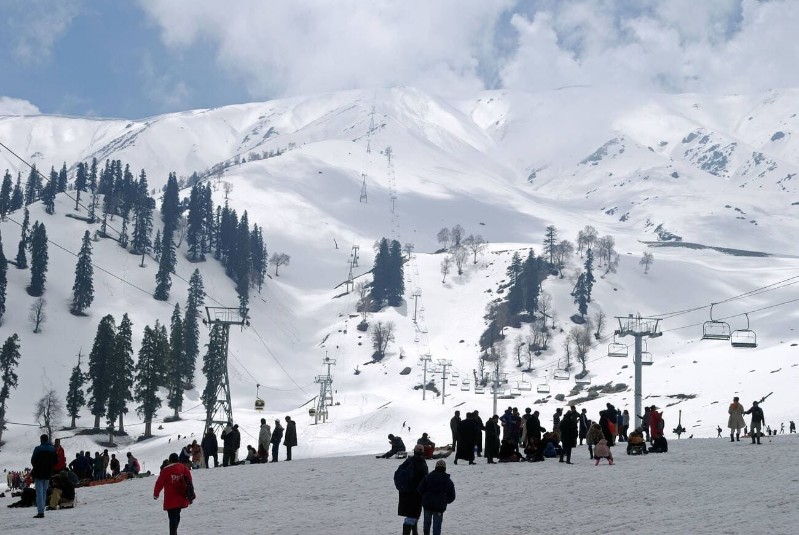
Winter transforms Gulmarg into a picturesque snowy paradise, bustling with energy and visitors from all corners of India and beyond. What was once a serene hill station now emerges as a vibrant hub of winter tourism, attracting skiing enthusiasts, adventurers, photographers, and families seeking to witness the enchanting winter of Kashmir. The allure of Gulmarg lies not only in its snow-capped slopes but also in the warmth of its locals and the narratives woven into its winter landscape.
Previously, Gulmarg experienced a consistent and predictable snowfall pattern, with longer winters, heavier snow, and a natural flow of tourism in tandem with the season. However, this cycle has shifted due to global warming and changing climate trends, leading to irregular and delayed snowfall. This unpredictability directly impacts winter tourism, as many visitors are drawn to Gulmarg to experience snowfall and engage in snow-related activities. Climate change is silently reshaping not just the winters but also the livelihoods dependent on them.
Despite these challenges, the increasing influx of both domestic and international tourists in Gulmarg presents an opportunity for local involvement and economic advancement. From horse handlers to ski instructors, hotel staff, shop owners, taxi drivers, and guides, winter tourism sustains numerous families in the region. Each hotel reservation, every cup of traditional Kashmiri tea served, and every locally crafted souvenir sold reflects the dedication and direct contribution of the community to this seasonal economy.
An encouraging trend in Gulmarg’s winter tourism is the growing participation of local youth. Many young individuals are now trained in skiing, snowboarding, hospitality services, and tour guiding, generating income while honing skills, confidence, and global exposure. Interacting with visitors from diverse backgrounds fosters cultural exchange, improved communication, and broader perspectives, particularly among the youth.
Local businesses witness a noticeable upsurge during the winter season, with hotels at full occupancy, restaurants expanding their offerings, small shops thriving, and transportation services operating at maximum capacity. Women entrepreneurs are also stepping forward, selling homemade goods, woolens, handicrafts, and traditional delicacies. This inclusive participation makes tourism a community-driven force for development.
However, amidst this prosperity, a concerning environmental shift cannot be overlooked. Kashmir, once renowned for its pristine air and untouched landscapes, now grapples with discussions on deteriorating air quality. Human interventions such as unplanned construction, increased vehicular traffic, improper waste disposal, and various forms of pollution have disrupted the region’s natural equilibrium.
To ensure sustainable growth in tourism and bolster the economy, environmental preservation must become a foremost concern. Clean air, a healthy ecosystem, and unpolluted surroundings are essential for the longevity of tourism. Irresponsible human activities jeopardize nature, posing threats to livelihoods and overall development in the long run.
Recognizing the potential of winter tourism, the Jammu & Kashmir government, supported by the central government, has initiated several measures to promote Gulmarg and Kashmir as premier winter destinations on a global scale. Investments in infrastructure, enhanced road connectivity, modern tourism amenities, and promotional campaigns like Jashn-e-Wandah have bolstered Kashmir’s winter tourism profile. Skill development programs for local youth ensure that growth permeates to the grassroots level.
However, with growth comes responsibility. Sustainable tourism practices are imperative. Maintaining cleanliness, efficient waste management, pollution control, respect for local culture, and responsible behavior from visitors are crucial to safeguard Gulmarg’s fragile ecosystem. Collaboration between authorities, locals, and tourists is vital to ensure that progress does not come at the expense of nature.
The surge of international visitors in Gulmarg signifies global confidence in Kashmir’s beauty, hospitality, and improved infrastructure. Upholding this trust necessitates the preservation of what truly captivates the world – the snow-capped peaks, fresh air, majestic mountains, and natural allure of the region. Preserving Kashmir’s environment equates to safeguarding its climate, economy, and future.
Gulmarg’s snow not only beckons tourists but also carries aspirations, sustenance, and prospects for the local populace. With strategic planning, environmental consciousness, and collective accountability, winter tourism can continue to be a boon for Kashmir and a model of sustainable, community-driven progress.
Ravinder Kaur (Educationist, Poet) – rommykaur099@gmail.com
