
The Influence of Kashmiri Marsiya on Language Preservation
By Maleeha Zehra
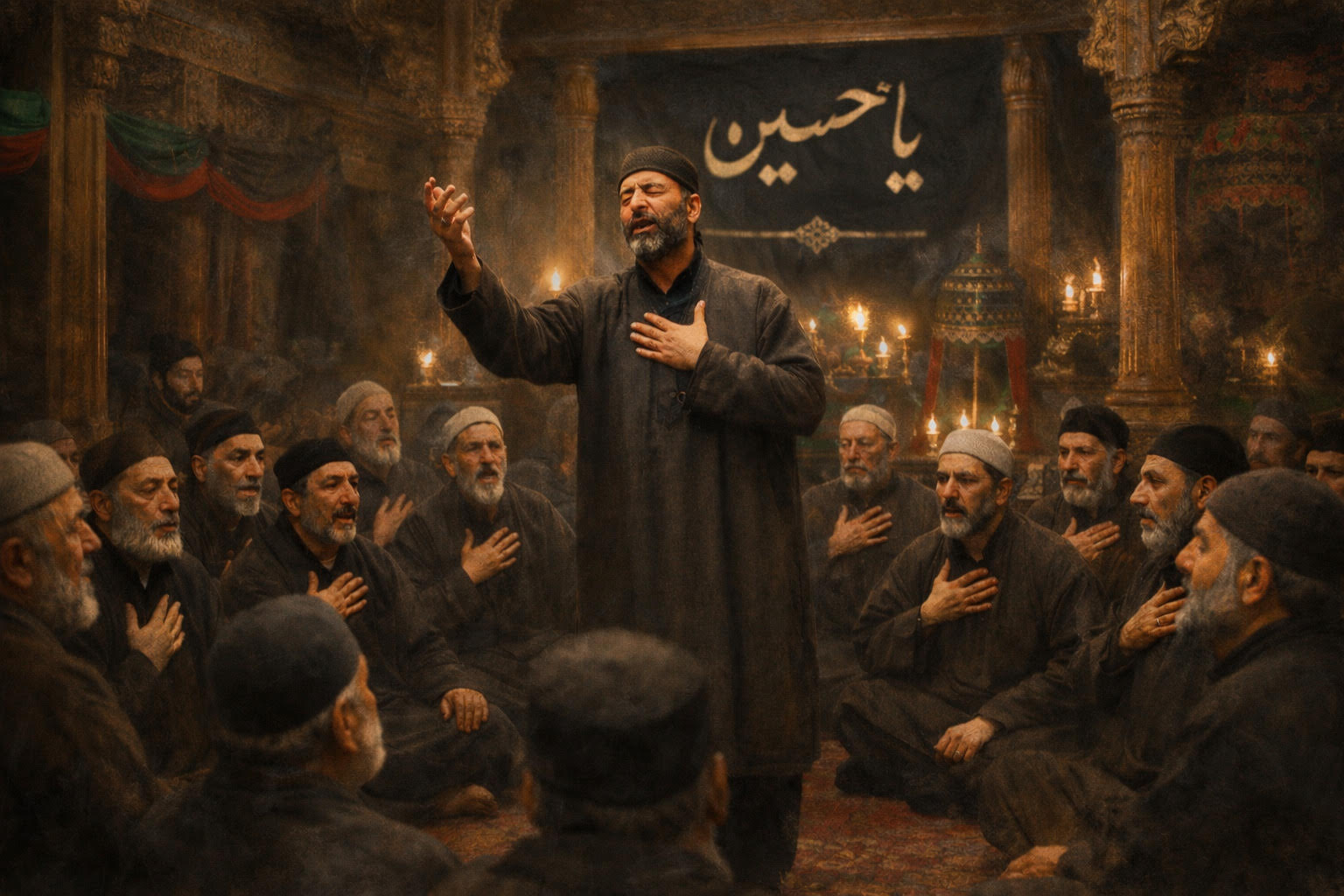
Language is a powerful tool that carries the essence of culture and tradition. In the case of Kashmiri, its survival and preservation are closely linked to the practice of reciting marsiya and nohay during the Muharram rituals.
Despite the gradual shift towards Urdu and English in everyday conversations, Kashmiri finds its stronghold in the azakhana, where the community mourns the tragedy of Karbala in their native language.
Through my interactions with scholars and young adults in Srinagar, it became evident that the tradition of reciting Kashmiri marsiya not only commemorates Karbala but also preserves elements of Kashmiri cultural life.
These elegies serve as a bridge between the past and the present, incorporating local customs and imagery to narrate the events of Karbala in a way that resonates with the community.
One striking aspect is how phrases rooted in traditional Kashmiri literature, such as the Lal Vakhs, continue to thrive in Kashmiri marsiya, keeping alive the cultural heritage that might otherwise fade away.
As scholar Syed Anis Kazmi rightly points out, the survival of a language is essential for the survival of its people and their identity. In the case of Kashmir, the preservation of Kashmiri through mourning rituals is a testament to the resilience of the community.
Moreover, the active engagement of younger generations in understanding and even creating new marsiya signifies a shift from passive exposure to active participation in language preservation and cultural heritage.
- The author is a young researcher from Kashmir.
