
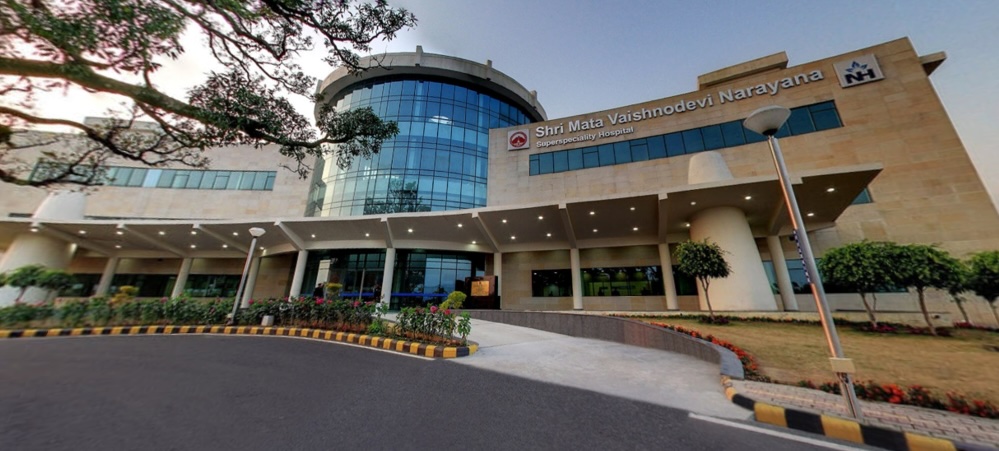
Jammu Reacts to National Medical Commission’s Decision to Withdraw Permission for Shri Mata Vaishno Devi Institute of Medical Excellence
The recent decision by the National Medical Commission to withdraw permission for the Shri Mata Vaishno Devi Institute of Medical Excellence due to non-compliance with minimum standards has sparked a range of reactions in Jammu. While the BJP and Sangarsh Samiti have welcomed the move, the NC and PDP have expressed concerns about the impact on the region.
Background
The Sangharsh Samiti, supported by the BJP, has been leading protests in Jammu since November last year, calling for the cancellation of admissions to the College and demanding reserved seats exclusively for students who follow Mata Vaishno Devi. The agitation began after the admission of 42 Muslim students, mostly from Kashmir, out of the 50 students in the inaugural MBBS batch, prompting calls to scrap the admissions and reserve seats for Hindu students.
Following the withdrawal of permission by the National Medical Commission’s Medical Assessment and Rating Board (MARB) for non-compliance with standards, all students admitted to the college for the academic year 2025-26 will be accommodated in other medical institutions in Jammu and Kashmir as supernumerary seats by the Union Territory administration.
Reactions
JK BJP president Sat Sharma commended the decision, acknowledging the concerns raised by various groups regarding the institute’s compliance with standards. He credited Mata Vaishno Devi for the outcome, emphasizing the importance of faith in the process.
On the other hand, PDP spokesperson Aditya Gupta blamed both the BJP and National Conference for the closure of the College, labeling it as a betrayal to the people of Jammu.
Analysis
While the BJP and Sangarsh Samiti celebrate the decision, the NC and PDP view it as a setback for Jammu. The closure of the medical college has raised questions about divisive politics and its impact on education and employment opportunities in the region.
It is essential to strengthen institutions through dialogue and reform rather than sacrificing them for communal agendas. The closure of the college represents a loss not only for students but also for the local economy and livelihoods associated with the institution.
Conclusion
The closure of the Shri Mata Vaishno Devi Medical College has stirred mixed reactions in Jammu, highlighting the complex interplay between politics, faith, and education. Moving forward, it is crucial to prioritize the interests of students and the community to ensure a more inclusive and sustainable approach to medical education in the region.
