
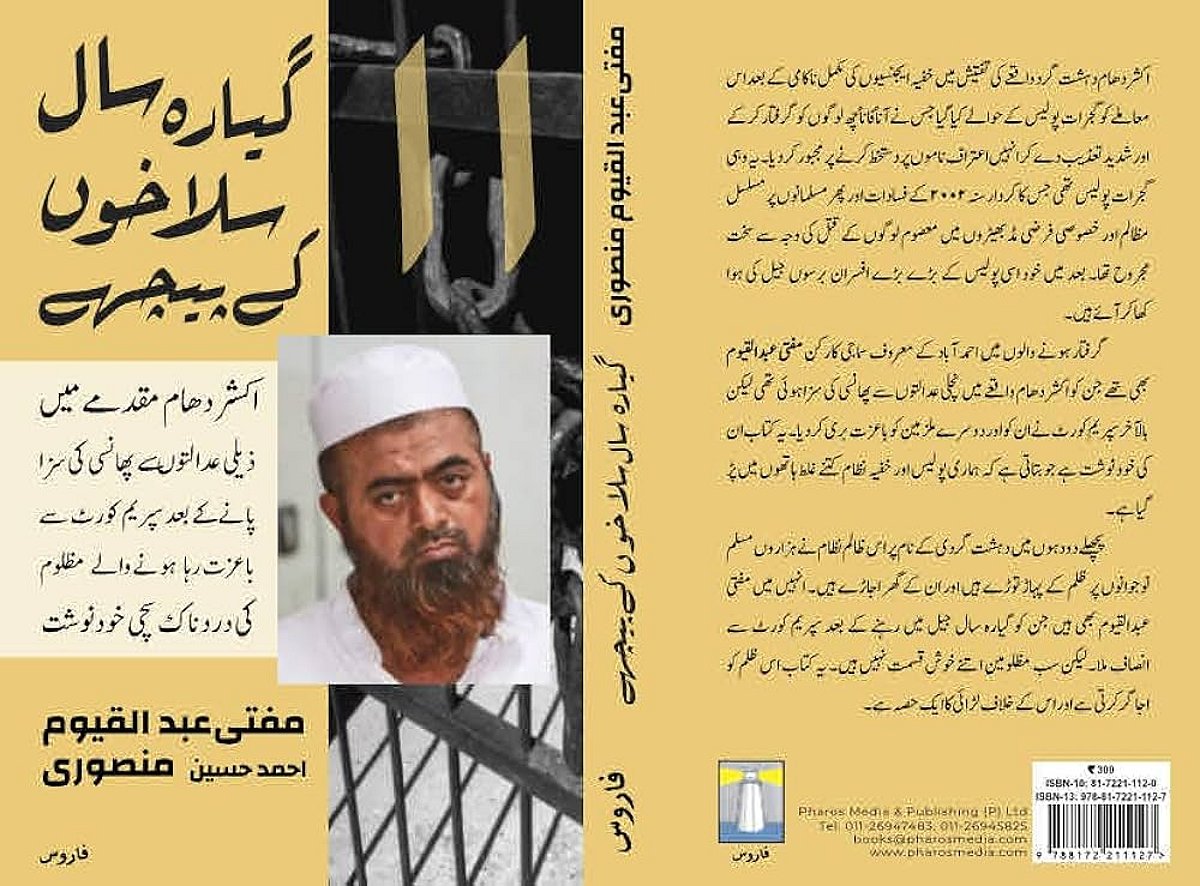
Exploring the Social Dynamics of Prison Life
Within the confines of a prison, Mansoori delves into a world where social hierarchies and survival instincts reign supreme. His narrative offers a detailed glimpse into the intricate societal structure that exists behind bars, where wealth plays a pivotal role in determining comfort and privileges.
The disparity between rich and poor inmates is stark, with the former using their financial resources to secure favorable treatment within the prison walls. In contrast, individuals from impoverished backgrounds often find themselves incarcerated for minor offenses stemming from their economic hardships, resigning themselves to a life of endless hardship and suffering. For some, the prospect of re-entering a world devoid of resources, employment opportunities, and shelter is more daunting than remaining in captivity. The transition from prison life to freedom is fraught with uncertainties and challenges, with letters from loved ones and occasional visits serving as the only lifeline that connects them to hope amidst despair.
Despite the harsh and dehumanizing environment, Mansoori draws strength from his faith, finding solace in prayer, teaching, and religious observance. His devotion helps him maintain a sense of self-worth even in the face of degradation, with the holy month of Ramadan becoming a period of quiet solidarity within the prison walls. Fasting, despite the limited resources available, becomes an act of defiance and a reaffirmation of spiritual beliefs.
For Mansoori, Islam is not just a source of comfort but a shield against complete disintegration. Through his prayers, he learns to endure suffering and humiliation without compromising his dignity, turning his experiences of torture into a testament of resilience.
The memoir also sheds light on the importance of community support in the pursuit of justice. Organizations like Jamiat-e-Ulema-e-Hind and groups led by Arshad Madni stand by Mansoori, providing financial assistance for his legal defense before the Supreme Court. He emphasizes that without such collective backing, achieving justice for the marginalized and underprivileged remains a formidable challenge.
However, the narrative does not shy away from addressing deep-rooted issues within the community itself. Mansoori recounts instances of internal prejudice and mistrust, exemplified by a Muslim jailor’s reluctance to see him released. His personal story serves as a metaphor for the psychological struggles faced by Indian Muslims, torn between external oppression and internal divisions.
The ramifications of imprisonment extend beyond individual suffering, as Mansoori grapples with the loss of his father and several relatives while falsely incarcerated. Their deaths, occurring while he was unjustly detained, leave emotional scars that run deeper than the physical torture he endured. Even after his release, bureaucratic hurdles and discrimination continue to pose challenges on his path to reintegration into society.
