
The Significance of India-Bangladesh Relations: Navigating Political Transitions and Regional Implications
India’s strategic interests are deeply intertwined with the stability and prosperity of Bangladesh, fostering a relationship built on cooperation and mutual benefits. The evolving political landscape in Bangladesh during the years 2024 and 2025 has not only impacted the domestic scenario but also reverberated across the region, particularly affecting India in various spheres such as economic ties, border security, and diplomatic engagements. The strong bilateral relations between the two nations over the past decade have established a foundation where changes in Bangladesh’s political dynamics directly impact India’s interests, necessitating a careful evaluation of the situation.
Political Transition and Economic Ramifications
The political transition that commenced in Bangladesh in mid-2024 following the departure of long-serving leader Sheikh Hasina marked a significant turning point. During Hasina’s tenure, India and Bangladesh witnessed a period of robust relations characterized by expanding economic cooperation, infrastructural development collaborations, and enhanced security coordination. India emerged as a key developmental partner for Bangladesh, while the latter served as a burgeoning market for Indian goods and services.
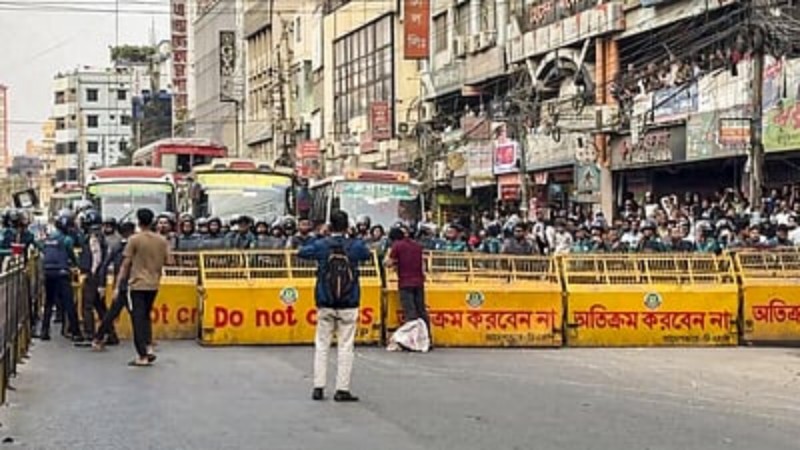
With the interim government led by Nobel Laureate Muhammad Yunus assuming office in 2025, Bangladesh entered a phase of public unrest and political uncertainty, posing challenges to the existing dynamics. The rhetoric and actions of various political factions in both countries have the potential to strain bilateral relations if not managed tactfully. Concurrently, economic challenges within Bangladesh, including disruptions in the crucial garment sector and trade activities, have added complexity to the situation.
The economic aspect demands close scrutiny as India and Bangladesh share substantial trade links, with India exporting diverse products to Bangladesh and importing textiles and other commodities. The recent unrest has disrupted this trade flow, leading to a decline in Indian exports, reduced rail cargo movement, and increased unauthorized border crossings during periods of instability.
Opportunities Amidst Challenges in the Textile Sector
The textile industry exemplifies the intricate dynamics at play. West Bengal’s garment export sector, intertwined with Bangladesh through supply chains, has faced reduced orders. Indian exports of cotton yarn and fabric to Bangladesh have dwindled, reflecting decreased demand. Nevertheless, this disruption presents a silver lining as international buyers exploring alternatives to Bangladeshi suppliers may turn to Indian textile manufacturing hubs in states like Tamil Nadu and Maharashtra, potentially bolstering India’s manufacturing prowess and global market presence.
Indian companies with investments in Bangladesh’s industrial sector are grappling with uncertainties amidst the ongoing instability. A significant portion of Bangladesh’s textile manufacturing units have Indian ownership, prompting a reevaluation of future investment decisions based on operational stability and business continuity considerations.
Heightened Border Security Concerns
From a security standpoint, India has heightened vigilance along its eastern and northeastern borders due to increased unauthorized crossings from Bangladesh. While the scale of such movements remains manageable, it underscores the need for robust border management systems to address potential pressures arising from prolonged instability. States sharing borders with Bangladesh, including West Bengal, Assam, Tripura, and Meghalaya, are at the forefront of managing these challenges.
Diplomatic Navigation Amidst Uncertainties
The diplomatic arena presents its own set of complexities as Bangladesh’s political transition introduces uncertainties in bilateral relations. Reports suggest that Bangladesh is engaging with various international partners, including Pakistan, adding layers to India’s diplomatic calculus. Amidst calls for caution in rhetoric to avoid inflaming nationalist sentiments, India has reiterated its stance of supporting democratic processes in Bangladesh while safeguarding its national interests.
India’s diplomatic approach aims to strike a delicate balance between maintaining engagement with Bangladesh, respecting its sovereignty, and safeguarding its own interests. Emphasizing dialogue, democratic values, and practical cooperation, India seeks to steer clear of confrontational approaches that could undermine mutual interests.
Regional Dynamics and Future Prospects
The interplay of political transitions and regional interdependencies in South Asia underscores the interconnected nature of economies and shared interests among neighboring countries. India’s role as a regional powerhouse necessitates a nuanced approach to managing and responding to events in neighboring nations, particularly in Bangladesh.
Looking ahead, the trajectory of Bangladesh’s political stabilization, economic recovery, and bilateral diplomatic relations will shape the future landscape. While challenges exist, the current period of uncertainty also presents opportunities for both India and Bangladesh to exhibit diplomatic maturity and collaborative spirit in managing differences constructively.
Strategic Outlook and Collaborative Path
As events unfold, India’s focus remains on safeguarding its interests, adapting to changing trade dynamics, enhancing border security, and engaging diplomatically with Bangladesh through the transition phase. The emphasis on dialogue, cooperation, and strategic engagement underscores India’s commitment to fostering a stable and amicable relationship with its neighbor.
The coming months will be instrumental in determining whether the disruptions signify temporary adjustments or herald more profound shifts in bilateral relations. Leveraging the foundation of past cooperative efforts and institutional ties, India and Bangladesh have the potential to navigate through challenges and rebuild collaborative frameworks for the future.
Conclusion
In conclusion, the evolving landscape in Bangladesh underscores the intricate web of political, economic, and security challenges that demand a nuanced approach from India. By balancing vigilance with engagement, safeguarding interests while respecting sovereignty, and supporting stability while upholding democratic principles, India aims to navigate through the uncertainties of the transition period. The enduring goal remains to foster a stable and prosperous relationship with Bangladesh, grounded in mutual respect and shared aspirations for regional stability and prosperity.
Contact: umarnazir2980@gmail.com
