
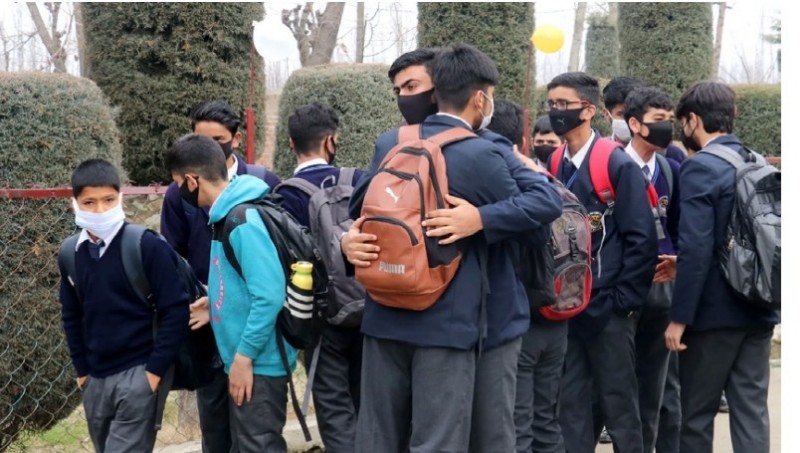
The Transformation of Kashmiri Youth: From Stones to Books
Not very long ago, the youth of Kashmir found themselves holding stones instead of pens, their anger drowning out their dreams, and classrooms silent while the streets echoed with unrest. This tumultuous period left scars not only on infrastructure but also on the hearts of young people who felt their future was predetermined.
It is crucial to acknowledge that stone pelting was not a deliberate choice for most of these youths. It was not a game or a source of joy but rather a manifestation of deep-seated pain, emotional trauma, and a desire for revenge fueled by personal or collective suffering. Many were swept up in the moment by intense emotions, much like crowds at the Wagah Border where passion overshadowed reason.
Unfortunately, during that time, there was a lack of counseling, dialogue, and guidance. Young minds were not educated on the power of peaceful dialogue and understanding in addressing complex issues. These students were not thoughtless; they were unheard and lacked guidance.
For numerous young individuals, education became a disrupted journey. Schools were frequently closed, academic calendars were disrupted, and uncertainty became the norm. The constant instability hindered long-term career planning, leading some to drop out as the future seemed bleak.
The economic repercussions were severe as markets shut down, businesses suffered, and livelihoods were lost. Internet shutdowns isolated Kashmir, making online education impossible and cutting off communication. Life felt suspended, with fear and uncertainty clouding every day.
Despite these challenges, Kashmir has always been a land of resilience and strength. In recent years, a profound shift has occurred. The youth have traded stones for backpacks, fear for books, and silence for voices in classrooms.
This transformation did not happen overnight but through persistent efforts by parents, teachers, and institutions who believed in the healing power of education. Initiatives focusing on schooling, digital learning, and skill development have reopened doors for Kashmiri youth.
Education has not only improved academic performance but also restored dignity and provided a sense of direction. Teachers have played a vital role in this revival, serving as mentors and emotional anchors for students.
Parents have made sacrifices to prioritize education and long-term hope over anger and impulsive reactions. Their courage in sending their children to school during uncertain times has been commendable.
Today, Kashmiri youth are excelling in various fields, rewriting the narrative of the region. This educational revival has been about more than just infrastructure; it has been about emotional healing and transformation.
While challenges persist, the importance of accessible and continuous education in shaping a positive future for youth cannot be understated. The real revolution in Kashmir is taking place in classrooms, where books are opening doors to a brighter tomorrow.
Author: Ravinder Kaur, Educationist, Poet
