
Indian Universities Shine in QS University Rankings for Asia
New Delhi- Several prestigious Indian universities have once again made their mark in the QS University Rankings for Asia. The latest rankings revealed that five Indian Institutes of Technology (IITs), along with the Indian Institute of Science (IISc) in Bengaluru and Delhi University, have secured positions in the top 100 institutes in Asia.
The QS World University Rankings announced that IIT-Delhi, IIT-Madras, IIT-Bombay, IIT-Kanpur, and IIT-Kharagpur have all secured positions in the list of top 100 Asian institutes.
According to a statement by QS, a London-based organization, seven Indian institutions are ranked in the top 100 in QS World University Asia rankings, with 20 in the top 200 and 66 in the top 500. The statement also highlighted the progress of Indian institutes in the rankings, with 36 institutions moving up, 16 remaining stable, and 105 experiencing a decline in rankings.
The statement further emphasized India’s strong performance in the rankings, particularly in terms of staff with PhD qualifications, where India ranks best in Asia.
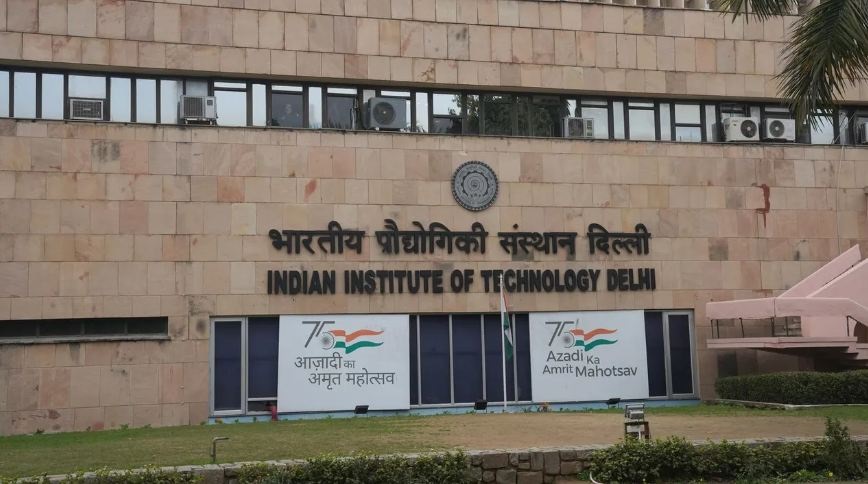
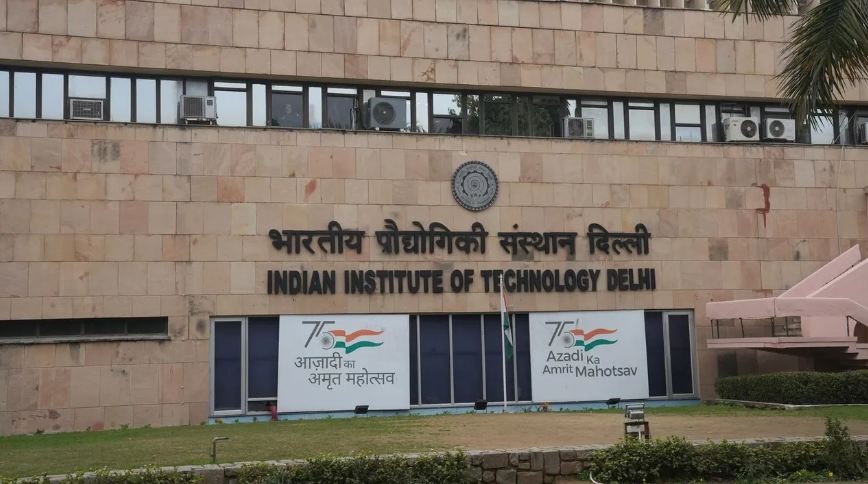
IIT-Delhi emerged as the top Indian institute for the fifth consecutive year, securing the 59th position in the rankings. The QS World University Rankings: Asia evaluates universities based on 11 indicators specifically tailored to the region.
Jessica Turner, CEO of Quacquarelli Symonds (QS), acknowledged India’s progress in higher education, attributing it to the National Education Policy launched five years ago. She noted that India has developed globally relevant educational capacity and positioned itself as a knowledge leader in Asia.
India’s dominance in research was highlighted in the rankings, with the country excelling in indicators such as ‘Papers per Faculty’ and ‘Staff with PhD’. Several Indian universities ranked among the top in these categories, showcasing India’s commitment to faculty development and research-led teaching.
The results underscore India’s strong investment in faculty development and research-led teaching.
