
Uri: A Timeless Trading Hub Filled with Rich History and Promising Future
For centuries, Uri has stood as a vibrant intersection of diverse cultures and thriving commerce. The narratives shared by its inhabitants resonate with tales of past trade, present metamorphoses, and aspirations for a future brimming with enhanced opportunities and connectivity.
The saga of Uri as a renowned trading hub dates back to ancient times. Positioned along the illustrious Silk Road that traversed the majestic Himalayas, Uri emerged as a bustling stopover point where merchants from distant lands converged, bearing exquisite silk, aromatic spices, and lustrous gemstones. The allure of Uri’s verdant valley, fertile lands, and the protective embrace of the Jhelum River’s steep gorges enticed traders to engage in spirited exchanges within the local markets. Here, amidst fervent bargaining, Kashmir’s renowned saffron, delectable walnuts, and luxurious Pashmina shawls were traded for goods from Central Asia, enriching Uri’s tapestry with a mosaic of cultures. Local artisans honed their craft, specializing in crafting intricate silver jewelry and embroidered textiles, garnering Uri a reputation for its exceptional craftsmanship. During the era of the illustrious Mughal emperors such as Akbar and Jahangir, Uri flourished further, revered for its strategic location and bountiful harvests. The transit of laden caravans carrying dried fruits, timber, and handwoven carpets across sturdy stone bridges epitomized Uri’s prosperity. Grand guesthouses, known as serais, provided respite and a bustling hub for commerce, where poets regaled tales over sumptuous feasts of roasted apples and saffron-infused rice. British chroniclers lauded Uri’s significance as a pivotal supply hub, marveling at its ingenious water systems that transformed arid landscapes into fruitful orchards, sustaining trade even during harsh winters.
In the 20th century, Uri underwent a metamorphosis in tandem with evolving times. Local collectives commenced exporting apples, cherries, and almonds to markets across India, while the proliferation of exquisite walnut wood carvings in local shops showcased Uri’s artistic prowess. The annual Uri Mela festival enlivened the streets, fostering communal bonds and celebrating the town’s vibrant spirit. During my sojourn, I, Sahil Manzoor, engaged with denizens of this enclave, conversing with shopkeepers, farmers, and venerable elders in the bustling market alleys. Their recollections of trade evolution and societal transformations offered poignant insights. A seasoned spice vendor reminisced, “Trade once revolved around personal connections and barter, now it’s intertwined with mobile phones and digital transactions.” A young entrepreneur operating a craft stall demonstrated how digital platforms revolutionized her sales, a concept inconceivable to her forebears. Presently, Uri’s commercial acumen remains robust, with enterprising individuals devising innovative strategies for success, concocting contemporary blends of dried fruits and leveraging online avenues to reach a global clientele. This continuity ensures that Uri’s legacy as a hub of trade endures.
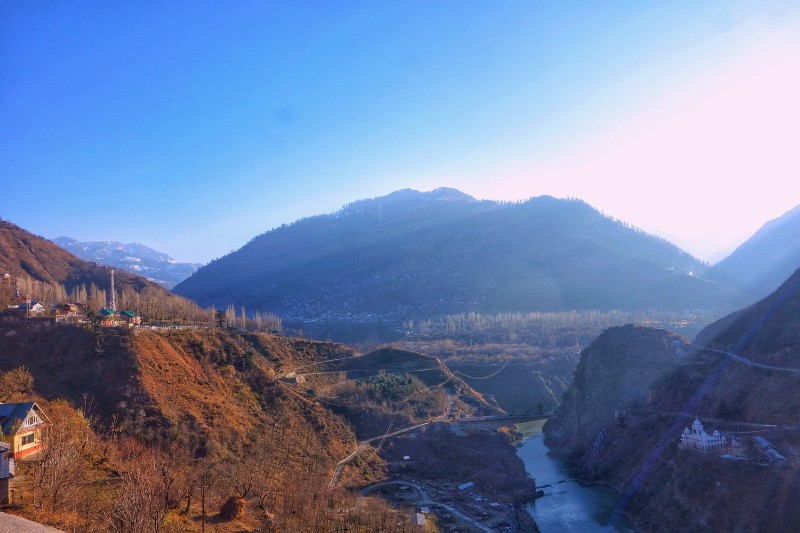
Uri’s picturesque allure has also beckoned visitors over the years. Since antiquity, pilgrims flocked to its sacred springs and temples, captivated by the panoramic vistas of cascading waterfalls, flower-strewn meadows, and the azure expanse of the Jhelum River. During the British colonial era, adventurers sought solace in fishing expeditions and serene panoramas, prompting the establishment of idyllic picnic spots. Post-independence, Uri witnessed an influx of tourists, including film luminaries, trekkers, and families, who relished homestays replete with traditional Kashmiri feasts. Conservation initiatives spotlighting butterfly gardens and rare botanical specimens heightened environmental awareness among visitors. Presently, tourists partake in adrenaline-pumping adventures like rafting and paragliding or luxuriate in opulent camping grounds. Cultural soirées, interactive sessions on Pashmina wool spinning, and communal apple-picking expeditions offer diverse experiences for visitors. As I probed about their anticipations for the future, a prevailing optimism resonated among locals, advocating for inclusive progress that benefits all strata of society. A cab driver articulated, “Enhanced infrastructure translates to increased tourism, equating to more opportunities for my offspring.” A pedagogue aspired for a robust training center nurturing youths in tourism and tech-related vocations, envisioning a future where advancements elevate living standards, preserve the environment, and ensure equitable distribution of newfound prospects.
Significant transformations are underway in Uri’s infrastructure, heralding a new era of progress. Cutting-edge road and railway initiatives are forging unprecedented connectivity, with the groundbreaking railway link to Baramulla epitomizing engineering ingenuity. This railway artery promises to seamlessly connect Uri to Srinagar, facilitating swift transit for tourists and enabling farmers to expedite the distribution of their produce. Extensive road enhancements, exemplified by the formidable Nand Singh Bridge, not only accommodate heavy vehicular traffic but also offer panoramic vistas of the riverine landscape. Enhanced highways integrating Uri with key national thoroughfares expedite the transport of local goods to diverse corners of India. The establishment of modern warehousing facilities and logistics parks augurs a transformative phase for Uri, amplifying its commercial prowess and rendering its scenic splendor more accessible to visitors. The symphony of construction resonates as a harbinger of a promising tomorrow.
Uri’s narrative epitomizes resilience and allure, encapsulating a journey from ancient marketplaces to futuristic rail networks, symbolizing a community that cherishes its heritage while embracing a dynamic future. Its vibrant trade, captivating landscapes, and burgeoning connections herald a dawn of renewed promise. Interacting with the denizens of this enclave evokes a profound sense of attachment to their homeland and an ardent optimism for a future where progress translates into palpable prosperity for their progeny and abodes. Uri stands poised to welcome the world, extending a slice of its timeless enchantment to every visitor.
For inquiries and collaborations, please contact the author at sahillone1m20@gmail.com
