
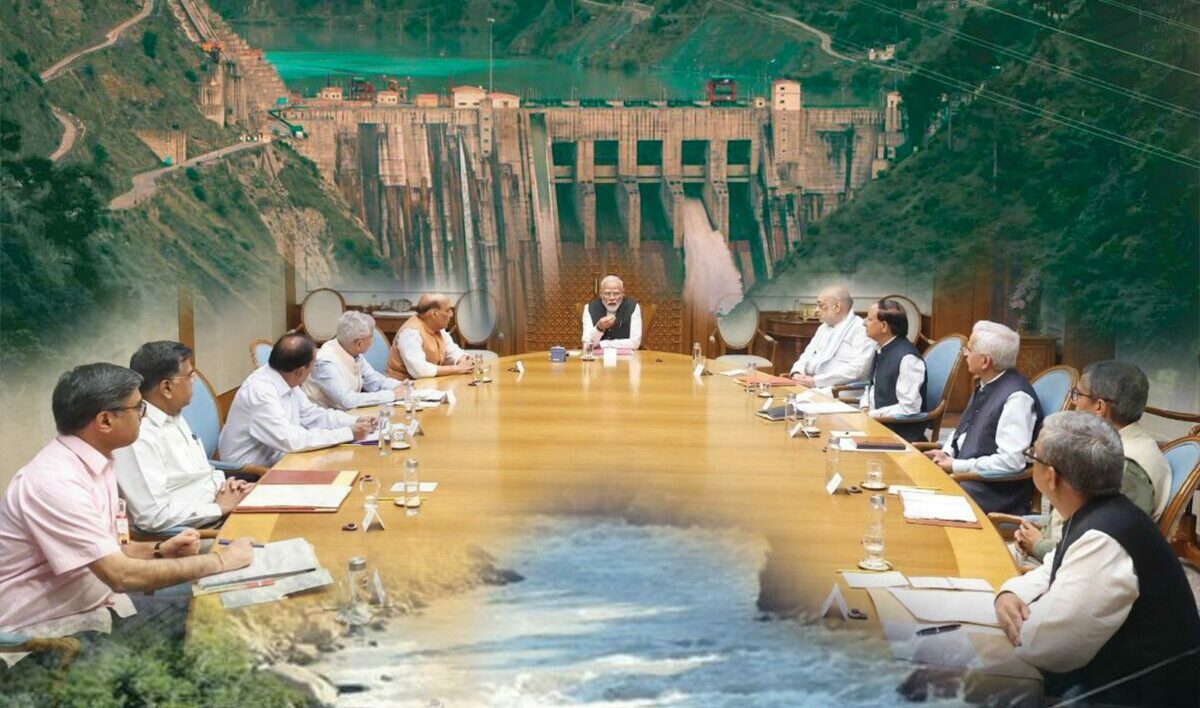
Days after the 2016 Uri attack, Prime Minister Modi emphasized that blood and water cannot coexist. In April 2025, he chaired the CCS meeting that ultimately decided to suspend the Indus Water Treaty until Islamabad renounces terrorism unequivocally. This action signals the onset of a water conflict that experts had long predicted, as penned by Masood Hussain.
Experts anticipate that regardless of whether diplomacy can prevent an imminent military confrontation between India and Pakistan, the suspension of the Indus Water Treaty could gradually but significantly impact Pakistan in the long run. The country’s fragile economy, already grappling with climate change challenges, is expected to suffer severely. Most of the water that sustains Pakistan’s agriculture originates in India, particularly in Kashmir.
The discord between India and Pakistan over water dates back to their independence in 1947, stemming indirectly from the first Kashmir war the two nations fought. The water tensions arose after India halted water flow to Pakistan from the Ferozepur headworks on the Sutlej in 1948, leading to fears of water insecurity in Pakistan. Subsequently, the Indus Water Treaty was signed in 1960, granting India exclusive use of three Eastern Rivers – Ravi, Beas, and Sutlej, while Pakistan gained rights over the three Western Rivers – Indus, Jhelum, and Chenab.
