
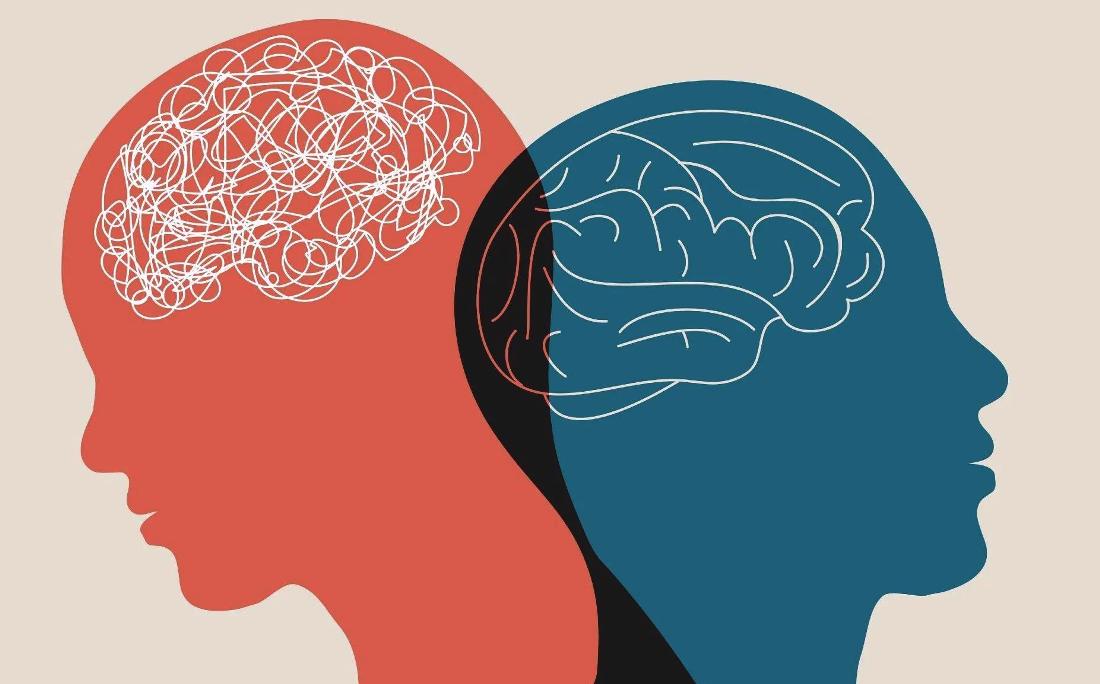
The echoes of recent conflict linger not only in shattered homes but in wounded minds. As the dust settles after a near-war episode, a generation shaped by unrest finds itself wrestling with existential dread, broken aspirations, and the quiet devastation of mental strain. This battle, though fought far from the frontlines, seeps deep into daily life, unyielding and unseen, reports Umaima Reshi
“In war, there are no unwounded soldiers. Everyone is affected, whether leaders, soldiers, or ordinary people,” Argentine writer, Jose Narosky, quoted a rehab psychologist, saying. “War does not only bring a crippling fiscal crisis; it leaves lasting damage to mental and social wellbeing. Its mental toll may not be immediate, but if the impact goes unaddressed, it can manifest as cognitive disturbances.”
On April 22, the Pahalgam massacre claimed 26 innocent lives, shattering the veneer of Kashmir’s oft-talked-about normalcy.
India’s response, Operation Sindoor, was not confined to diplomatic countermeasures. The repercussions infiltrated the daily lives of ordinary citizens, breeding confusion, mental strain, and fear.
Airports were shut down, flights cancelled, and schools and universities closed. Tensions escalated as India used missile and drone strikes on Pakistan. Blackout protocols were enforced, power was cut off, and sirens echoed through the night. People remained indoors, seeking a fragile sense of safety.
For many, it was a moment when war felt imminent, every second inching closer to escalation.
But how do ordinary people endure such times? The spectre of war loomed like a dark cloud over the human psyche. The dread of escalation, coupled with uncertainty, induced restlessness, disrupted sleep, and a pervasive sense of insecurity.
On May 11, fleeting relief washed over the region with news of a ceasefire. But suspicion lingered over the agreement brokered by US President. Mere hours after both nations declared a halt to hostilities, explosions echoed through Kashmir’s urban areas. Drones, reportedly launched from Pakistan, streaked across the night sky, prompting swift interception.
Hours after the ‘ceasefire’, even the Chief Minister of Jammu and Kashmir was unsure. “What the hell just happened to the ceasefire? Explosions heard across Srinagar,” Omar Abdullah tweeted, heightened the confusion, as thuds continued tolling late in the night. Mushtaq, 40, recalled the chaos. “We did not understand what was happening. Even our leaders were confused — how could we feel safe?” he said.
“Jang Ha Loguv Bei Hoo! (We are at war again!)” shouted an auto-rickshaw driver rushing through Ghanta Ghar, a fruit vendor recounted. “Out of nowhere, I saw flames shoot across the sky, just above my head, while I was slicing watermelons.”
“It must have been around 9 pm, maybe later, when I saw them — drones or shells, I could not tell — gliding ominously overhead,” he said.
Chaos erupted. Panic surged as people scattered, each racing to the perceived safety of home.
“But what stunned everyone was the timing,” the vendor continued. “A ceasefire had been declared just three hours earlier. Why then? It felt like a cruel joke on the brief calm we had dared to embrace.”
“Even though the explosions have stopped, every sudden sound sends chills down our spines,” said Gulzar, a cobbler and father of two. “It feels like war could erupt at any moment. The trauma has etched itself into our minds.”
Impact on Families
“He does not let go of the corner of my pheran,” says Teathi, a grandmother to a seven-year-old boy. “emis chu taasav seeth phreth byoothmut,” she explains, noting that he is terrified by the explosions. The persistent noises and swirling rumours unsettle him. He clings to her, seeking solace amid uncertainty.
Psychologists warn that early exposure to fear and violence can severely impact a child’s emotional development, leaving scars that may persist into adulthood. “Children are often the worst affected. Prolonged conflict can disrupt their emotional growth and cause intense anxiety,” a clinical psychologist said. “War displaces families, breaks social connections, and erases any sense of security. The trauma extends beyond those directly affected, echoing across generations.”
Children are acutely sensitive to the emotional atmosphere around them, the psychologist adds. “When adults are distressed, children absorb that unease. They may not have the words to express it, but their behaviour reveals it: withdrawal, stubbornness, or fear of sleeping alone.”
A mother of four from Kupwara described the toll on her children. “They are afraid to step outside because we kept telling them to stay indoors due to the explosions. Now, they do not even want to go to school. We are giving them time to adjust.”
Rukhsaar, a homemaker, says her ten-year-old son has begun bedwetting again, a problem he had previously overcome. “He did not witness the difficult days in Kashmir that I did, but the recent blasts have brought back old fears,” she informed. “He is anxious, startled by every loud sound. He refuses to sleep alone, waking up trembling, afraid another explosion is imminent.”
The Guilt of Distance
For some, distance from home has become its source of anguish. A Kashmiri student studying in Bangladesh speaks of the overwhelming guilt she feels. “The ceasefire brought a brief moment of relief, but I still worry about my parents. Being far away, I feel like I abandoned them to fend for themselves,” she said on the phone.
“When I first heard about the confrontation, it felt as if everything was collapsing,” she recalled. “I kept thinking about my parents, wondering if they were safe.
The mental toll of being away from home during the conflict left me feeling helpless and caught between my studies and fear for my family. The lack of clear information created a mental vacuum that was filled with fear, especially for those near the border who lived with that fear daily. The situation was exhausting, mentally and emotionally, for many displaced and devastated families who were forced to flee their homes due to shelling and drone attacks.
For those living near the border, the constant fear became suffocating and unsettling. Leaving their homes just to survive was deeply unsettling, with nowhere truly safe to go. The disruption of routines, work, and school left many feeling mentally exhausted and drained.
The recent conflict heightened existing anxieties for families with vulnerable members, leading to increased fears and worries. Trauma cases surged in the aftermath of the conflict, forcing many to relive buried traumas and experience deep emotional scars.
The impact on youth was significant, with a qualitative study showing high levels of psychological distress and physical ailments among young adults in Kashmir. The pervasive sense of fear and instability continued to haunt the region’s youth, leaving deep psychological scars.
Many young people who had grown up in relative calm were harshly initiated into the reality of war during the recent India-Pakistan confrontation. The fear became tangible, manifesting in sleepless nights and trembling hands, leading to existential dread and a desire for a normal life with peace.
Coping mechanisms such as deep breathing, mindfulness, limiting exposure to news and social media, establishing a daily routine, and engaging in leisure activities or hobbies could help ease the emotional burden caused by war’s psychological toll. Fear and helplessness from conflicts leave lasting scars that may not be visible but are deeply felt by individuals, especially children and young adults.
The Importance of Healing in Post-War Recovery
Healing plays a crucial role in post-war recovery, as it is not only about restoring physical systems but also about addressing the mental health of those who have endured the invisible weight of war.
War leaves behind scars that are not always visible to the naked eye. These scars can affect individuals on a deep emotional and psychological level, leading to issues such as PTSD, anxiety, and depression. In order to truly heal from the traumas of war, it is essential to focus on not just the physical wounds, but also the mental and emotional well-being of those affected.
Therapeutic interventions, counseling, and support groups can all play a vital role in helping individuals cope with the aftermath of war. By providing a safe space for individuals to express their emotions, process their experiences, and receive the support they need, healing can begin to take place.
It is important to recognize that healing is a holistic process that involves addressing both the visible and invisible wounds of war. By prioritizing the mental health and well-being of those affected, we can create a path towards true recovery and resilience.
Ultimately, healing is not just about restoring what was lost in war, but about empowering individuals to rebuild their lives and move forward with strength and resilience. By acknowledging the importance of healing in post-war recovery, we can create a more compassionate and supportive society for all.
