
The Transformative Shift in Kashmir: Embracing Peace Over Violence
Recent developments in Kashmir have signaled a remarkable transformation that few could have predicted. The once turbulent region is now experiencing a period of relative calm and normalcy, with streets quiet, academic calendars uninterrupted, and businesses operating smoothly. This newfound peace is accompanied by a significant shift in political discourse, as voices that once advocated separatism now endorse integration, democratic alliances, and participation in elections.
Notable separatist outfits such as the J&K Democratic Political Movement, J&K Peoples Movement, and Tehreek-e-Istiqlal have renounced their past positions and distanced themselves from separatist politics. Even Jamaat-e-Islami, a former proponent of so-called resistance and violence, has participated in recent elections under the Indian constitutional framework they once opposed.
The story of Aga Muntazir Mehdi, who recently won as an MLA from Budgam in the by-elections, exemplifies this shift towards democracy and integration. His father, a former advocate of separatist ideas, actively campaigned for his son within the democratic system they once rejected, highlighting a profound change in mindset among Kashmiris.
The Evolution of Mirwaiz Umar Farooq
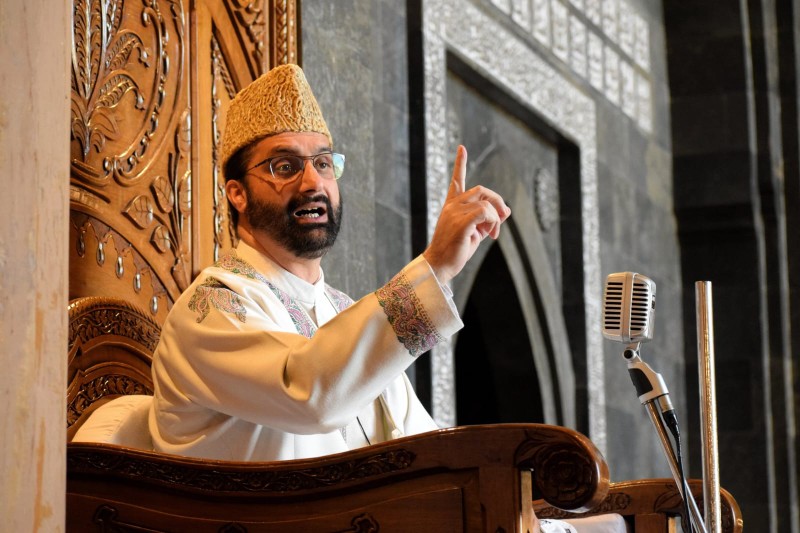
Mirwaiz Umar Farooq, a prominent Kashmiri cleric and political leader, has played a pivotal role in shaping the region’s political discourse. Once a vocal advocate of separatism, Mirwaiz’s recent actions, such as removing the chairman title from his social media profiles, have sparked intense debates and discussions.
Mirwaiz’s evolving political stance has raised questions about his past rhetoric and the accountability he bears for advocating violence and separatism. His decision to distance himself from separatist ideology reflects a broader shift in Kashmir towards stability and peace.
Despite claims of being pressured to remove the title, Mirwaiz’s actions suggest a personal conviction and motivation to align with the changing realities in Kashmir. His counterparts who once supported separatism are now actively participating in elections and democratic processes, signaling a significant departure from the past.
Embracing Peace and Accountability
While the shift away from separatism is a positive development for Kashmir, questions of responsibility and accountability linger for those who once promoted violence and unrest. The region’s transition towards peace must be accompanied by a truthful acknowledgment of past actions and their consequences.
Distancing oneself from separatist ideology does not absolve individuals from the questions and scrutiny of history. The pursuit of peace in Kashmir demands a sincere reflection on the past and a commitment to truth and accountability.
Conclusion: A New Chapter for Kashmir
The evolving political landscape in Kashmir signifies a significant departure from the era of separatism and violence. The region’s embrace of peace and stability, coupled with a growing trust in the Indian state and Constitution, marks a new chapter in Kashmir’s history.
As Kashmir moves towards a future free from unrest and turmoil, the importance of truth and accountability cannot be understated. The journey towards lasting peace requires a candid examination of the past and a genuine commitment to reconciliation.
For more information on Kashmir’s transformation and the path to peace, feel free to reach out to the writer, a student activist, at soulofkashmir1@gmail.com.
